Buy come2europe.eu ?
We are moving the project
come2europe.eu .
Are you interested in purchasing the domain
come2europe.eu ?
domain@kv-gmbh.de · 0541-91531010
Buy come2europe.eu ?
What is the function of the alveoli?
The function of the alveoli is to facilitate the exchange of oxygen and carbon dioxide between the lungs and the bloodstream. This exchange occurs through the thin walls of the alveoli, allowing oxygen to be absorbed into the bloodstream and carbon dioxide to be released from the bloodstream into the lungs to be exhaled. **
How does gas exchange work in the alveoli?
Gas exchange in the alveoli occurs through a process called diffusion. Oxygen from the inhaled air passes through the thin walls of the alveoli and into the surrounding capillaries, where it binds to hemoglobin in red blood cells. At the same time, carbon dioxide, a waste product of cellular respiration, diffuses from the blood into the alveoli to be exhaled. This exchange of gases is facilitated by the large surface area and thin walls of the alveoli, as well as the close proximity of the alveoli to the capillaries. **


Similar search terms for Alveoli
Top-Angebote
Products related to Alveoli:
-
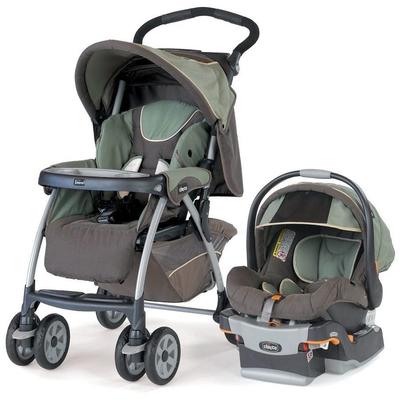
Chicco KeyFit 30 Trevi Travel System in AdventurePlease note that each travel system comes with a Trevi Stroller, KeyFit 30 car seat, and one car seat base. Extra bases can be purchased separately below.Trevi Stroller Features: Accepts both the KeyFit and KeyFit 30 Infant Car Seats ; 3-D compact...319,99 $*Shipping: 0,00 $Secure redirect to the provider
-
Chicco KeyFit 30 Cortina Travel System in AdventurePlease note that each travel system comes with a Cortina Stroller, KeyFit 30 car seat, and one car seat base. Extra bases can be purchased separately below.One-pull harness tightening and loosening in the car seat allow for quick fitting, and the...329,99 $*Shipping: 0,00 $Secure redirect to the provider
-
Titan Assassins Creed - The Complete Visual History: The Definitive Visual HistoryThis stunning book explores the rich mythology of Assassins Creed®, featuring the art and history of the series from the first groundbreaking game through the graphic novels to the DLCs. Highlighting the lush and vibrant art that has become a hallmark of the series, this luxury coffee-table book brings the games famous historical locations and figures to life and explores the evolution of each iconic Assassin and Templar.15,99 £*Shipping: 2,99 £Secure redirect to the provider
-
Orion Strangeworlds Travel Agency: Adventure in the Floating Mountains by L.D. Lapinski – World Book Day AdventureIt is the once-every-century Cloud-Wish Festival in the magical world of Strofadia, and Flick and Jonathan have travelled via suitcase to be a part of it.Strofadia is a land of flight and fantasy, where the people are born with wings and the great floating mountains are seen as the source of fantastic power. There are three floating mountains, with the largest being known as the home of the great Cloud Dragon - keeper of magic and granter of wishes. The people of Strofadia take their magical wishes (in the form of a physical bead-like object) to the dragon, in the hopes that the wish will be granted at the end of the festival when the dragon appears.Flick and Jonathan have fun exploring Strofadia, but when the moons rise, there is no sign of movement from the mountain.Will Flick and Jonathan be able to find out what happened to the dragon and save the festival and the land of Strofadia from disaster?A 2023 World Book Day Title0,99 £*Shipping: 1,99 £Secure redirect to the provider



-
Why does the human have so many alveoli?
Humans have so many alveoli in order to maximize the surface area available for gas exchange in the lungs. The large number of alveoli allows for a greater amount of oxygen to be absorbed into the bloodstream and for carbon dioxide to be released from the bloodstream. This efficient gas exchange is essential for providing oxygen to the body's tissues and removing waste products. The high surface area of the alveoli also helps to maintain the proper balance of gases in the blood. **
-
What anatomical processes promote gas exchange in mammalian alveoli?
Gas exchange in mammalian alveoli is promoted by several anatomical processes. First, the alveoli have a large surface area for gas exchange due to their numerous small sacs. Second, the alveoli are surrounded by a dense network of capillaries, allowing for close proximity between the blood and the air in the alveoli. Third, the alveoli have thin walls, which allows for efficient diffusion of gases between the air in the alveoli and the blood in the capillaries. Finally, the alveoli are lined with a layer of surfactant, which reduces surface tension and prevents the alveoli from collapsing, ensuring efficient gas exchange. **
-
Why does carbon dioxide move from the blood to the lung alveoli and, conversely, oxygen from the lung alveoli to the blood?
Carbon dioxide moves from the blood to the lung alveoli because it is a waste product of cellular respiration and needs to be removed from the body. In the alveoli, it diffuses across the thin membrane and is exhaled out of the body. Conversely, oxygen moves from the lung alveoli to the blood because it is needed for cellular respiration to produce energy. The oxygen diffuses from the alveoli into the blood where it binds to hemoglobin and is transported to the body's tissues. **
-
Is this a good description of gas exchange in the alveoli?
Yes, the description provided is a good overview of gas exchange in the alveoli. It accurately explains how oxygen from inhaled air diffuses across the alveolar membrane into the bloodstream, where it binds to hemoglobin in red blood cells. At the same time, carbon dioxide from the bloodstream diffuses into the alveoli to be exhaled. This process is essential for maintaining the body's oxygen levels and removing carbon dioxide waste. **

What is the principle of the surface area enlargement of lung alveoli?
The principle of surface area enlargement of lung alveoli is to maximize the area available for gas exchange. This is achieved through the branching structure of the respiratory tree, which leads to a large number of alveoli. The thin walls of the alveoli and the network of capillaries surrounding them further increase the surface area available for gas exchange. This large surface area allows for efficient exchange of oxygen and carbon dioxide between the air in the alveoli and the blood in the capillaries. **
How does the body prevent the equalization of gas concentration in the capillaries and alveoli?
The body prevents the equalization of gas concentration in the capillaries and alveoli through a process called ventilation-perfusion matching. This process ensures that the amount of air reaching the alveoli matches the amount of blood reaching the capillaries surrounding the alveoli. This prevents the equalization of gas concentration by maintaining a concentration gradient between the alveoli and the capillaries, allowing for efficient gas exchange. Additionally, the presence of surfactant in the alveoli helps to reduce surface tension and prevent alveolar collapse, further maintaining the concentration gradient. **
Top-Angebote
Products related to Alveoli:
-
From the Archives: Black History and Culture Value PackThis brand-new series is rooted in a profound commitment to shedding light on some of the important -- and often lesser-known -- aspects of Black history. From the Archives features landmarks, events, people, and artistic endeavors that have played...26,99 $*Shipping: 0,00 $Secure redirect to the provider
-
Orion The Book of Humans by Adam Rutherford – A Brief History of Culture, Sex, War & EvolutionWHAT MAKES US HUMAN? Waging war? Sex for pleasure? Creating art? Mastery of fire? In this thrilling tour of the animal kingdom, Adam Rutherford tells the story of how we became the unique creatures we are today. Illuminated by the latest scientific discoveries, THE BOOK OF HUMANS is a dazzling compendium of what unequivocally fixes us as animals, and reveals how we are extraordinary among them.4,98 £*Shipping: 1,99 £Secure redirect to the provider
-
Chicco KeyFit 30 Trevi Travel System in AdventurePlease note that each travel system comes with a Trevi Stroller, KeyFit 30 car seat, and one car seat base. Extra bases can be purchased separately below.Trevi Stroller Features: Accepts both the KeyFit and KeyFit 30 Infant Car Seats ; 3-D compact...319,99 $*Shipping: 0,00 $Secure redirect to the provider
-
Chicco KeyFit 30 Cortina Travel System in AdventurePlease note that each travel system comes with a Cortina Stroller, KeyFit 30 car seat, and one car seat base. Extra bases can be purchased separately below.One-pull harness tightening and loosening in the car seat allow for quick fitting, and the...329,99 $*Shipping: 0,00 $Secure redirect to the provider
-
What is the function of the alveoli?
The function of the alveoli is to facilitate the exchange of oxygen and carbon dioxide between the lungs and the bloodstream. This exchange occurs through the thin walls of the alveoli, allowing oxygen to be absorbed into the bloodstream and carbon dioxide to be released from the bloodstream into the lungs to be exhaled. **
-
How does gas exchange work in the alveoli?
Gas exchange in the alveoli occurs through a process called diffusion. Oxygen from the inhaled air passes through the thin walls of the alveoli and into the surrounding capillaries, where it binds to hemoglobin in red blood cells. At the same time, carbon dioxide, a waste product of cellular respiration, diffuses from the blood into the alveoli to be exhaled. This exchange of gases is facilitated by the large surface area and thin walls of the alveoli, as well as the close proximity of the alveoli to the capillaries. **
-
Why does the human have so many alveoli?
Humans have so many alveoli in order to maximize the surface area available for gas exchange in the lungs. The large number of alveoli allows for a greater amount of oxygen to be absorbed into the bloodstream and for carbon dioxide to be released from the bloodstream. This efficient gas exchange is essential for providing oxygen to the body's tissues and removing waste products. The high surface area of the alveoli also helps to maintain the proper balance of gases in the blood. **
-
What anatomical processes promote gas exchange in mammalian alveoli?
Gas exchange in mammalian alveoli is promoted by several anatomical processes. First, the alveoli have a large surface area for gas exchange due to their numerous small sacs. Second, the alveoli are surrounded by a dense network of capillaries, allowing for close proximity between the blood and the air in the alveoli. Third, the alveoli have thin walls, which allows for efficient diffusion of gases between the air in the alveoli and the blood in the capillaries. Finally, the alveoli are lined with a layer of surfactant, which reduces surface tension and prevents the alveoli from collapsing, ensuring efficient gas exchange. **
Similar search terms for Alveoli
-
Titan Assassins Creed - The Complete Visual History: The Definitive Visual HistoryThis stunning book explores the rich mythology of Assassins Creed®, featuring the art and history of the series from the first groundbreaking game through the graphic novels to the DLCs. Highlighting the lush and vibrant art that has become a hallmark of the series, this luxury coffee-table book brings the games famous historical locations and figures to life and explores the evolution of each iconic Assassin and Templar.15,99 £*Shipping: 2,99 £Secure redirect to the provider
-
Orion Strangeworlds Travel Agency: Adventure in the Floating Mountains by L.D. Lapinski – World Book Day AdventureIt is the once-every-century Cloud-Wish Festival in the magical world of Strofadia, and Flick and Jonathan have travelled via suitcase to be a part of it.Strofadia is a land of flight and fantasy, where the people are born with wings and the great floating mountains are seen as the source of fantastic power. There are three floating mountains, with the largest being known as the home of the great Cloud Dragon - keeper of magic and granter of wishes. The people of Strofadia take their magical wishes (in the form of a physical bead-like object) to the dragon, in the hopes that the wish will be granted at the end of the festival when the dragon appears.Flick and Jonathan have fun exploring Strofadia, but when the moons rise, there is no sign of movement from the mountain.Will Flick and Jonathan be able to find out what happened to the dragon and save the festival and the land of Strofadia from disaster?A 2023 World Book Day Title0,99 £*Shipping: 1,99 £Secure redirect to the provider
-
"""Fromm Explore 7"" Barber Shear"""Explore endless possibilities with our mirror-finish silver barber shears that deliver a smooth cut every time. This shear is part of our Shear Artistry collection which is made up of premium designed professional salon shears for hair stylists with...25,99 $*Shipping: 0,00 $Secure redirect to the provider
-
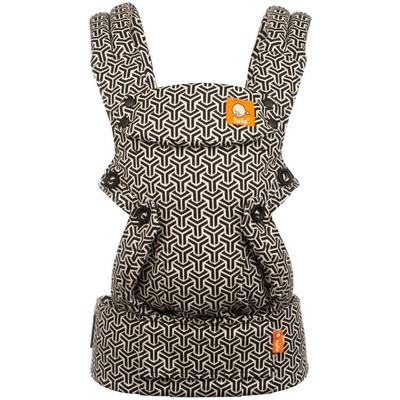
Tula Explore Baby Carrier - ForeverTula's versatile, easy-to-use Tula Explore Baby Carrier is their first carrier that allows you to use it in an ergonomic front facing position. This is the best baby carrier option that offers all the features you and baby need: variable width...179,00 $*Shipping: 0,00 $Secure redirect to the provider
-
Why does carbon dioxide move from the blood to the lung alveoli and, conversely, oxygen from the lung alveoli to the blood?
Carbon dioxide moves from the blood to the lung alveoli because it is a waste product of cellular respiration and needs to be removed from the body. In the alveoli, it diffuses across the thin membrane and is exhaled out of the body. Conversely, oxygen moves from the lung alveoli to the blood because it is needed for cellular respiration to produce energy. The oxygen diffuses from the alveoli into the blood where it binds to hemoglobin and is transported to the body's tissues. **
-
Is this a good description of gas exchange in the alveoli?
Yes, the description provided is a good overview of gas exchange in the alveoli. It accurately explains how oxygen from inhaled air diffuses across the alveolar membrane into the bloodstream, where it binds to hemoglobin in red blood cells. At the same time, carbon dioxide from the bloodstream diffuses into the alveoli to be exhaled. This process is essential for maintaining the body's oxygen levels and removing carbon dioxide waste. **
-
What is the principle of the surface area enlargement of lung alveoli?
The principle of surface area enlargement of lung alveoli is to maximize the area available for gas exchange. This is achieved through the branching structure of the respiratory tree, which leads to a large number of alveoli. The thin walls of the alveoli and the network of capillaries surrounding them further increase the surface area available for gas exchange. This large surface area allows for efficient exchange of oxygen and carbon dioxide between the air in the alveoli and the blood in the capillaries. **
-
How does the body prevent the equalization of gas concentration in the capillaries and alveoli?
The body prevents the equalization of gas concentration in the capillaries and alveoli through a process called ventilation-perfusion matching. This process ensures that the amount of air reaching the alveoli matches the amount of blood reaching the capillaries surrounding the alveoli. This prevents the equalization of gas concentration by maintaining a concentration gradient between the alveoli and the capillaries, allowing for efficient gas exchange. Additionally, the presence of surfactant in the alveoli helps to reduce surface tension and prevent alveolar collapse, further maintaining the concentration gradient. **
* All prices are inclusive of VAT and, if applicable, plus shipping costs. The offer information is based on the details provided by the respective shop and is updated through automated processes. Real-time updates do not occur, so deviations can occur in individual cases. ** Note: Parts of this content were created by AI.