Buy come2europe.eu ?
We are moving the project
come2europe.eu .
Are you interested in purchasing the domain
come2europe.eu ?
domain@kv-gmbh.de · 0541-91531010
Buy come2europe.eu ?
Where was Byzantium located?
Byzantium was located in the region of Thrace, at the crossroads of Europe and Asia, on the European side of the Bosporus Strait. It was strategically positioned for trade and defense, and its location allowed it to control key trade routes between the Black Sea and the Mediterranean. Eventually, the city was renamed Constantinople and became the capital of the Byzantine Empire. Today, the city is known as Istanbul and is located in modern-day Turkey. **
When did Ostrom become Byzantium?
Ostrom became Byzantium in the 7th century AD, during the reign of the Emperor Heraclius. The name change was a result of the city of Byzantium being renamed as Constantinople, after the Emperor Constantine the Great. This marked a significant shift in the identity and status of the city, as it became the new capital of the Roman Empire and the center of the Byzantine civilization. **

Similar search terms for Byzantium
Top-Angebote
Products related to Byzantium:
-
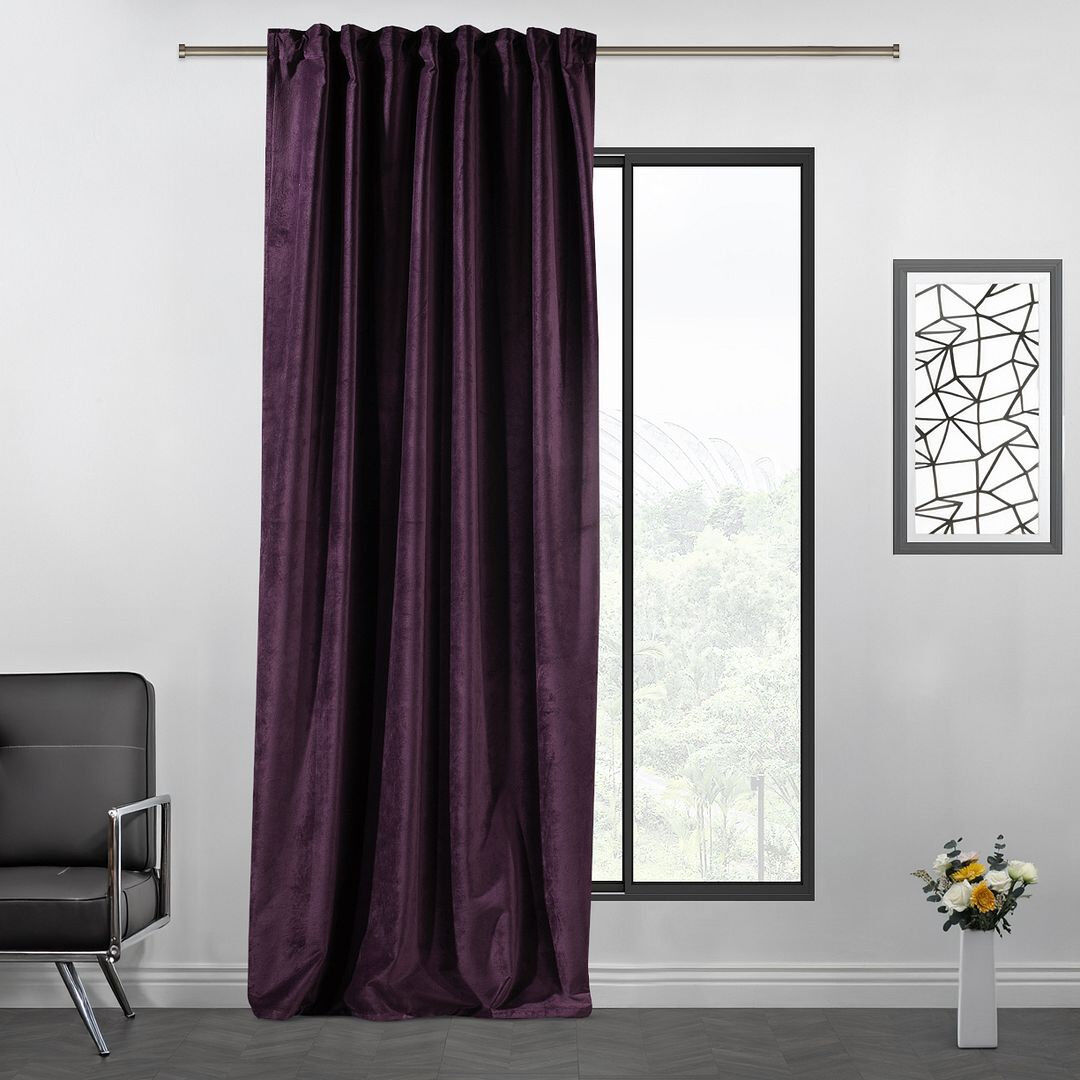
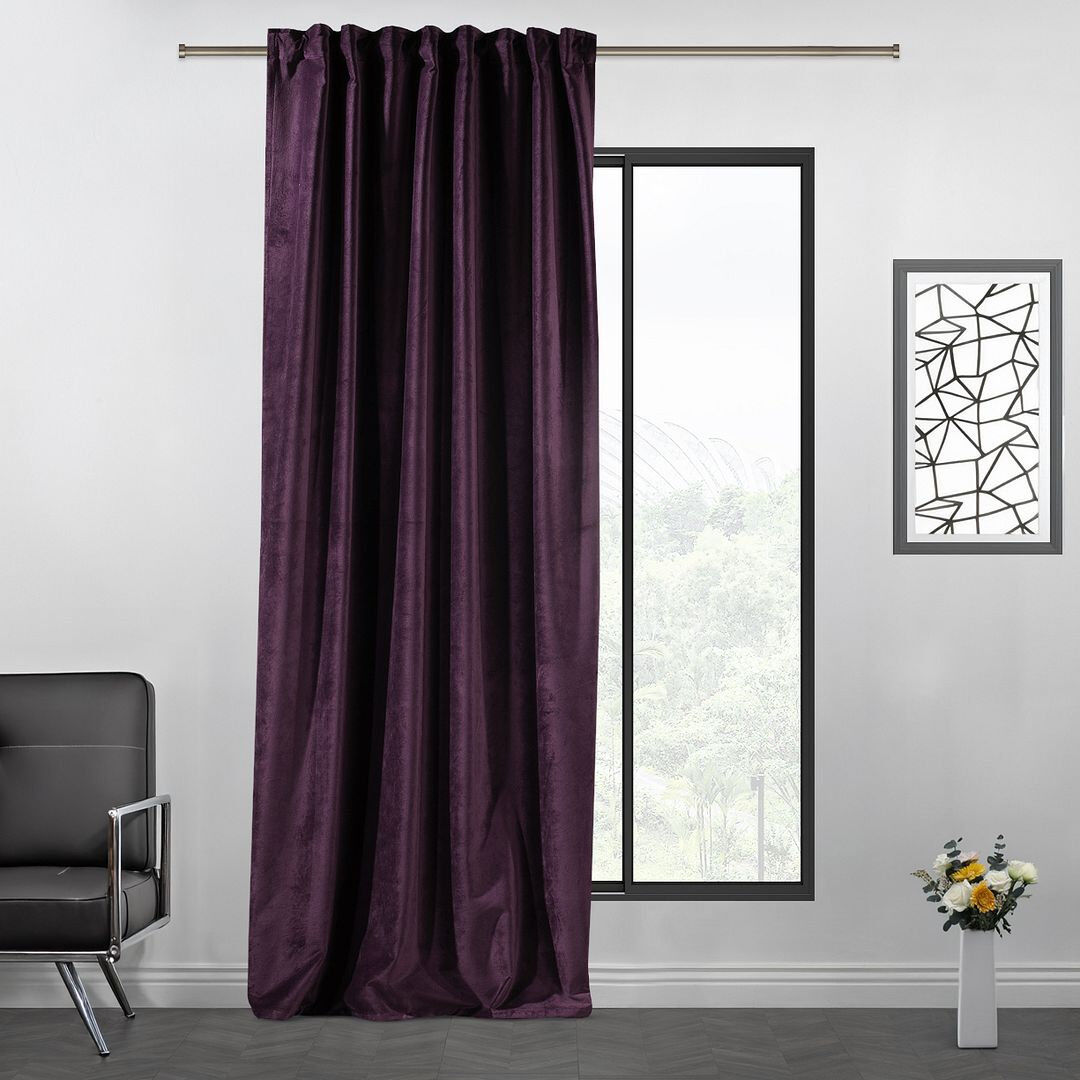
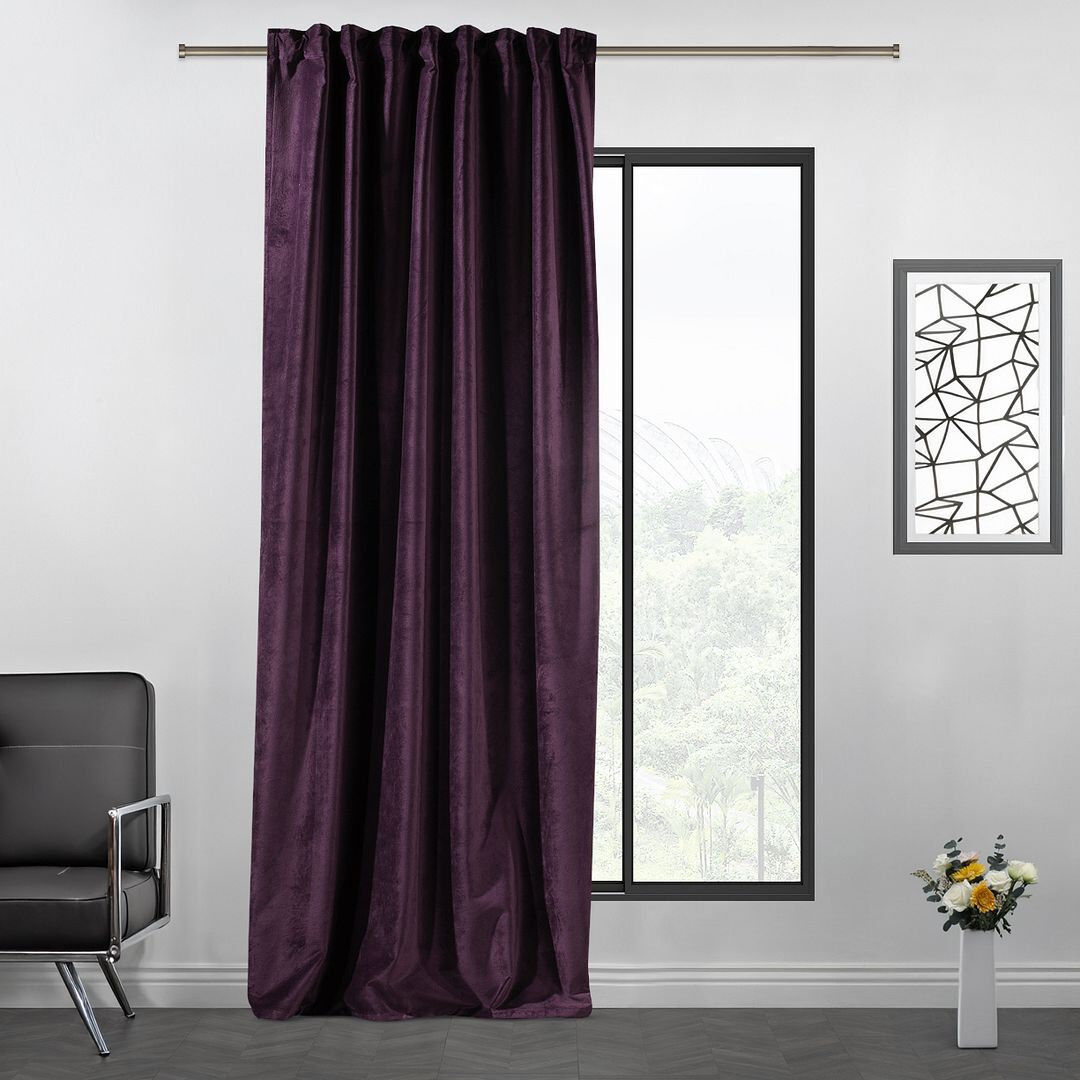
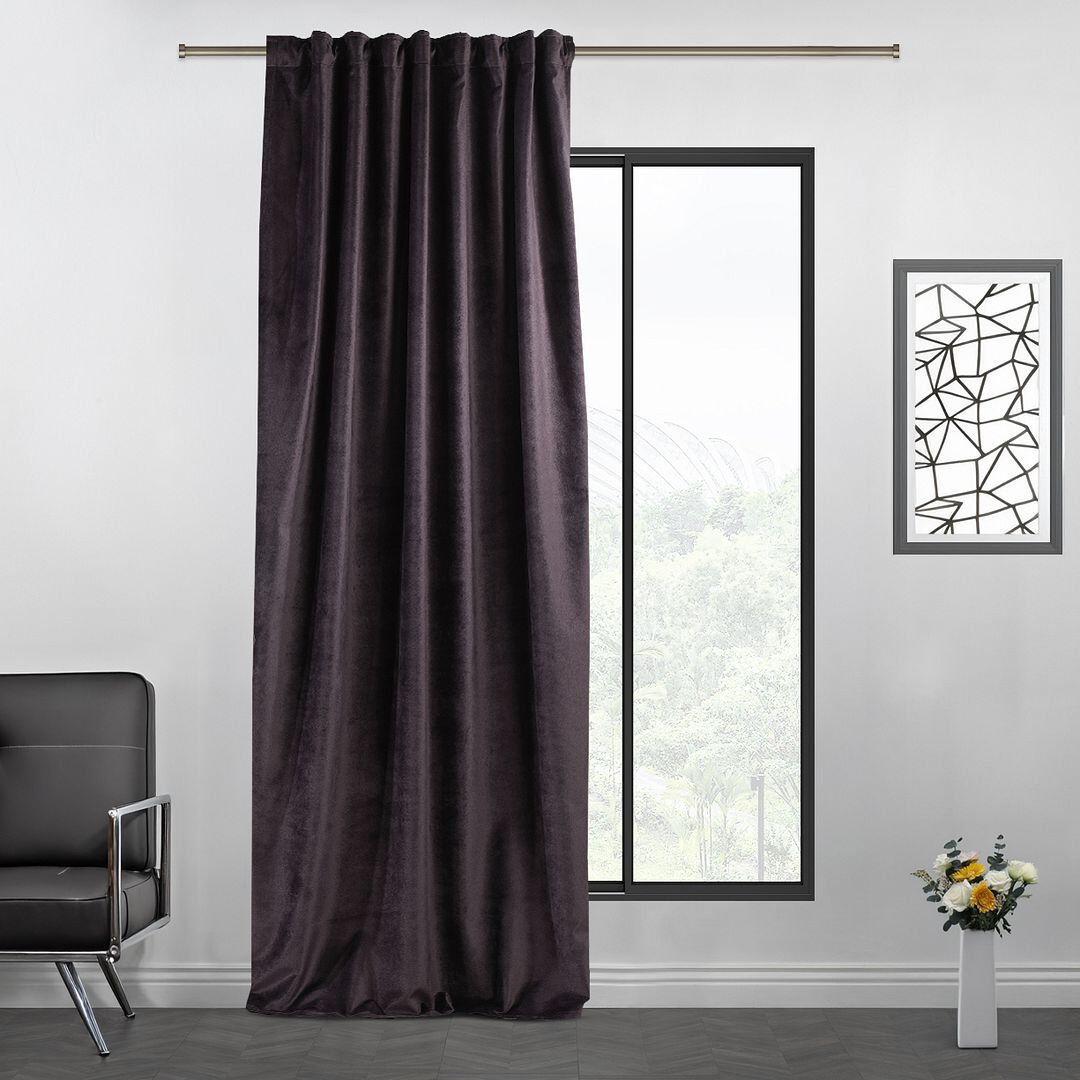
Lilijan Home & Curtain Extra Long & Extra Wide Matte Velvet Curtain Panel 47 BYZANTIUM 130cm Width x 175cm DropLuxury Velvet Solid Room Darkering Rod Pocket Single Curtain Panel Lilijan Home & Curtain Panel Size: 130cm Width x 175cm Drop, Curtain Colour: 47 BYZANTIUM83,99 £*Shipping: 0,00 £Secure redirect to the provider
-
Lilijan Home & Curtain Extra Long & Extra Wide Matte Velvet Curtain Panel 47 BYZANTIUM 260cm Width x 265cm DropLuxury Velvet Solid Room Darkering Rod Pocket Single Curtain Panel Lilijan Home & Curtain Panel Size: 260cm Width x 265cm Drop, Curtain Colour: 47 BYZANTIUM246,99 £*Shipping: 0,00 £Secure redirect to the provider
-
Lilijan Home & Curtain Extra Long & Extra Wide Matte Velvet Curtain Panel 47 BYZANTIUM 130 cm Width x 500cm DropLuxury Velvet Solid Room Darkering Rod Pocket Single Curtain Panel Lilijan Home & Curtain Panel Size: 130 cm Width x 500cm Drop, Curtain Colour: 47 BYZANTIUM168,99 £*Shipping: 0,00 £Secure redirect to the provider
-
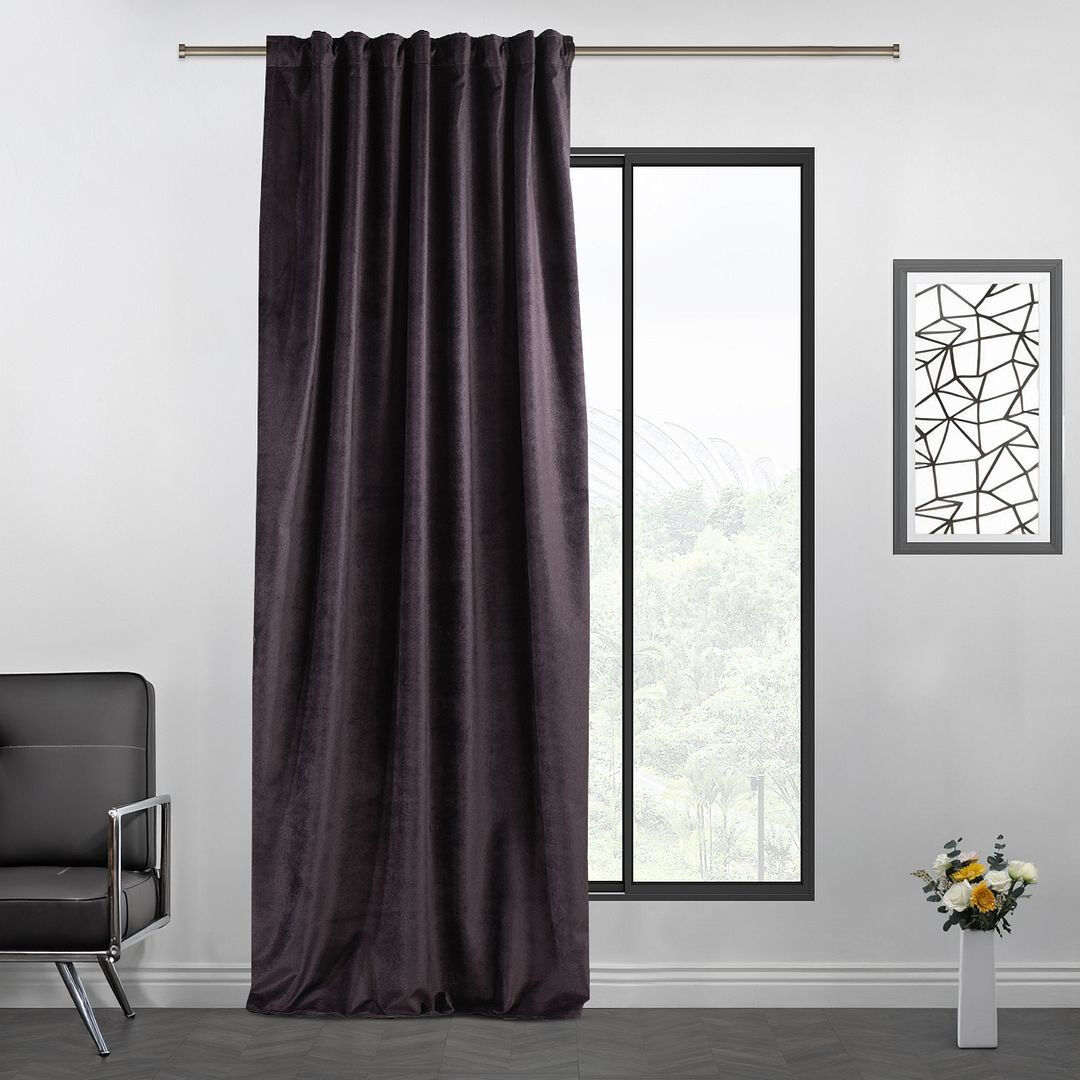
Lilijan Home & Curtain Extra Long & Extra Wide Matte Velvet Curtain Panel 25 DARK BYZANTIUM 130cm Width x 175cm DropLuxury Velvet Solid Room Darkering Rod Pocket Single Curtain Panel Lilijan Home & Curtain Panel Size: 130cm Width x 175cm Drop, Curtain Colour: 25 DARK BYZANTIUM83,99 £*Shipping: 0,00 £Secure redirect to the provider


-
Why is Ostrom suddenly called Byzantium?
Ostrom is suddenly called Byzantium because the name change reflects a shift in focus from the Roman Empire to the Eastern Roman Empire, which was centered in the city of Byzantium (later known as Constantinople). This change highlights the distinct cultural, political, and historical characteristics of the Eastern Roman Empire, which endured for over a thousand years after the fall of the Western Roman Empire. By using the name Byzantium, scholars and historians are able to more accurately capture the unique identity and legacy of this empire. **
-
Why could the emperor of Byzantium not pay his Ottoman mercenaries?
The emperor of Byzantium could not pay his Ottoman mercenaries due to a combination of financial difficulties and political instability. The Byzantine Empire was facing economic challenges and had limited resources to pay its military forces. Additionally, the empire was also dealing with internal conflicts and external threats, which further strained its financial situation. As a result, the emperor was unable to fulfill his financial obligations to the Ottoman mercenaries, leading to tensions and potential conflicts between the two powers. **
-
What was the relationship between Byzantium and the Crusaders during the First Crusade?
During the First Crusade, the relationship between Byzantium and the Crusaders was complex. The Byzantine Emperor Alexios I Komnenos initially requested military aid from the Crusaders to help defend his empire against the Seljuk Turks. However, the Crusaders' arrival in Byzantine territory led to tensions and conflicts, as they often clashed with the Byzantine forces and sought to expand their own territories at the expense of the Byzantine Empire. Despite these tensions, the Crusaders and Byzantines also cooperated at times, such as during the successful siege of Nicaea. Overall, the relationship between Byzantium and the Crusaders during the First Crusade was marked by a mixture of cooperation and conflict. **
-
How did medieval icons look and how do those from Byzantium differ from those from the Western Roman Empire?
Medieval icons were typically religious images painted on wooden panels, often depicting figures such as Jesus, Mary, saints, and angels. Icons from Byzantium, the Eastern Roman Empire, were characterized by their use of rich, vibrant colors, intricate details, and a sense of spiritual transcendence. They often featured a more stylized and abstract representation of figures, with a focus on conveying the divine nature of the subjects. In contrast, icons from the Western Roman Empire tended to have a more naturalistic and humanistic approach, with a greater emphasis on portraying the physical attributes and emotions of the figures. Additionally, Western icons often incorporated elements of Romanesque and Gothic art styles, reflecting the artistic trends of the region. **
What does Cuban cuisine and eating culture look like?
Cuban cuisine is a fusion of Spanish, African, and Caribbean influences, resulting in a diverse and flavorful culinary tradition. Common ingredients include rice, beans, plantains, and various meats such as pork and chicken. Popular dishes include ropa vieja (shredded beef), arroz con pollo (chicken with rice), and lechón asado (roast pork). Eating culture in Cuba is centered around family and community, with meals often being a social and communal experience. It is common for Cubans to share meals with extended family and friends, and food is an important part of social gatherings and celebrations. **
What are electricity and high culture history?
Electricity history refers to the development and use of electricity as a form of energy, including the discovery of electricity, the invention of electric devices, and the establishment of electrical systems. High culture history, on the other hand, refers to the history of cultural and artistic achievements that are considered to be of high quality and sophistication, such as classical music, literature, fine arts, and theater. Both electricity and high culture history have evolved over time, shaping the way we live and appreciate the world around us. **
Top-Angebote
Products related to Byzantium:
-
From the Archives: Black History and Culture Value PackThis brand-new series is rooted in a profound commitment to shedding light on some of the important -- and often lesser-known -- aspects of Black history. From the Archives features landmarks, events, people, and artistic endeavors that have played...26,99 $*Shipping: 0,00 $Secure redirect to the provider
-
Lilijan Home & Curtain Extra Long & Extra Wide Matte Velvet Curtain Panel 47 BYZANTIUM 130cm Width x 325cm DropLuxury Velvet Solid Room Darkering Rod Pocket Single Curtain Panel Lilijan Home & Curtain Panel Size: 130cm Width x 325cm Drop, Curtain Colour: 47 BYZANTIUM122,99 £*Shipping: 0,00 £Secure redirect to the provider
-
Lilijan Home & Curtain Extra Long & Extra Wide Matte Velvet Curtain Panel 47 BYZANTIUM 130cm Width x 175cm DropLuxury Velvet Solid Room Darkering Rod Pocket Single Curtain Panel Lilijan Home & Curtain Panel Size: 130cm Width x 175cm Drop, Curtain Colour: 47 BYZANTIUM83,99 £*Shipping: 0,00 £Secure redirect to the provider
-
Lilijan Home & Curtain Extra Long & Extra Wide Matte Velvet Curtain Panel 47 BYZANTIUM 260cm Width x 265cm DropLuxury Velvet Solid Room Darkering Rod Pocket Single Curtain Panel Lilijan Home & Curtain Panel Size: 260cm Width x 265cm Drop, Curtain Colour: 47 BYZANTIUM246,99 £*Shipping: 0,00 £Secure redirect to the provider
-
Where was Byzantium located?
Byzantium was located in the region of Thrace, at the crossroads of Europe and Asia, on the European side of the Bosporus Strait. It was strategically positioned for trade and defense, and its location allowed it to control key trade routes between the Black Sea and the Mediterranean. Eventually, the city was renamed Constantinople and became the capital of the Byzantine Empire. Today, the city is known as Istanbul and is located in modern-day Turkey. **
-
When did Ostrom become Byzantium?
Ostrom became Byzantium in the 7th century AD, during the reign of the Emperor Heraclius. The name change was a result of the city of Byzantium being renamed as Constantinople, after the Emperor Constantine the Great. This marked a significant shift in the identity and status of the city, as it became the new capital of the Roman Empire and the center of the Byzantine civilization. **
-
Why is Ostrom suddenly called Byzantium?
Ostrom is suddenly called Byzantium because the name change reflects a shift in focus from the Roman Empire to the Eastern Roman Empire, which was centered in the city of Byzantium (later known as Constantinople). This change highlights the distinct cultural, political, and historical characteristics of the Eastern Roman Empire, which endured for over a thousand years after the fall of the Western Roman Empire. By using the name Byzantium, scholars and historians are able to more accurately capture the unique identity and legacy of this empire. **
-
Why could the emperor of Byzantium not pay his Ottoman mercenaries?
The emperor of Byzantium could not pay his Ottoman mercenaries due to a combination of financial difficulties and political instability. The Byzantine Empire was facing economic challenges and had limited resources to pay its military forces. Additionally, the empire was also dealing with internal conflicts and external threats, which further strained its financial situation. As a result, the emperor was unable to fulfill his financial obligations to the Ottoman mercenaries, leading to tensions and potential conflicts between the two powers. **
Similar search terms for Byzantium
-
Lilijan Home & Curtain Extra Long & Extra Wide Matte Velvet Curtain Panel 47 BYZANTIUM 130 cm Width x 500cm DropLuxury Velvet Solid Room Darkering Rod Pocket Single Curtain Panel Lilijan Home & Curtain Panel Size: 130 cm Width x 500cm Drop, Curtain Colour: 47 BYZANTIUM168,99 £*Shipping: 0,00 £Secure redirect to the provider
-
Lilijan Home & Curtain Extra Long & Extra Wide Matte Velvet Curtain Panel 25 DARK BYZANTIUM 130cm Width x 175cm DropLuxury Velvet Solid Room Darkering Rod Pocket Single Curtain Panel Lilijan Home & Curtain Panel Size: 130cm Width x 175cm Drop, Curtain Colour: 25 DARK BYZANTIUM83,99 £*Shipping: 0,00 £Secure redirect to the provider
-
Lilijan Home & Curtain Extra Long & Extra Wide Matte Velvet Curtain Panel 25 DARK BYZANTIUM 130cm Width x 325cm DropLuxury Velvet Solid Room Darkering Rod Pocket Single Curtain Panel Lilijan Home & Curtain Panel Size: 130cm Width x 325cm Drop, Curtain Colour: 25 DARK BYZANTIUM122,99 £*Shipping: 0,00 £Secure redirect to the provider
-
Lilijan Home & Curtain Extra Long & Extra Wide Matte Velvet Curtain Panel 25 DARK BYZANTIUM 130cm Width x 350cm DropLuxury Velvet Solid Room Darkering Rod Pocket Single Curtain Panel Lilijan Home & Curtain Panel Size: 130cm Width x 350cm Drop, Curtain Colour: 25 DARK BYZANTIUM129,99 £*Shipping: 0,00 £Secure redirect to the provider
-
What was the relationship between Byzantium and the Crusaders during the First Crusade?
During the First Crusade, the relationship between Byzantium and the Crusaders was complex. The Byzantine Emperor Alexios I Komnenos initially requested military aid from the Crusaders to help defend his empire against the Seljuk Turks. However, the Crusaders' arrival in Byzantine territory led to tensions and conflicts, as they often clashed with the Byzantine forces and sought to expand their own territories at the expense of the Byzantine Empire. Despite these tensions, the Crusaders and Byzantines also cooperated at times, such as during the successful siege of Nicaea. Overall, the relationship between Byzantium and the Crusaders during the First Crusade was marked by a mixture of cooperation and conflict. **
-
How did medieval icons look and how do those from Byzantium differ from those from the Western Roman Empire?
Medieval icons were typically religious images painted on wooden panels, often depicting figures such as Jesus, Mary, saints, and angels. Icons from Byzantium, the Eastern Roman Empire, were characterized by their use of rich, vibrant colors, intricate details, and a sense of spiritual transcendence. They often featured a more stylized and abstract representation of figures, with a focus on conveying the divine nature of the subjects. In contrast, icons from the Western Roman Empire tended to have a more naturalistic and humanistic approach, with a greater emphasis on portraying the physical attributes and emotions of the figures. Additionally, Western icons often incorporated elements of Romanesque and Gothic art styles, reflecting the artistic trends of the region. **
-
What does Cuban cuisine and eating culture look like?
Cuban cuisine is a fusion of Spanish, African, and Caribbean influences, resulting in a diverse and flavorful culinary tradition. Common ingredients include rice, beans, plantains, and various meats such as pork and chicken. Popular dishes include ropa vieja (shredded beef), arroz con pollo (chicken with rice), and lechón asado (roast pork). Eating culture in Cuba is centered around family and community, with meals often being a social and communal experience. It is common for Cubans to share meals with extended family and friends, and food is an important part of social gatherings and celebrations. **
-
What are electricity and high culture history?
Electricity history refers to the development and use of electricity as a form of energy, including the discovery of electricity, the invention of electric devices, and the establishment of electrical systems. High culture history, on the other hand, refers to the history of cultural and artistic achievements that are considered to be of high quality and sophistication, such as classical music, literature, fine arts, and theater. Both electricity and high culture history have evolved over time, shaping the way we live and appreciate the world around us. **
* All prices are inclusive of VAT and, if applicable, plus shipping costs. The offer information is based on the details provided by the respective shop and is updated through automated processes. Real-time updates do not occur, so deviations can occur in individual cases. ** Note: Parts of this content were created by AI.