Buy come2europe.eu ?
We are moving the project
come2europe.eu .
Are you interested in purchasing the domain
come2europe.eu ?
domain@kv-gmbh.de · 0541-91531010
Buy come2europe.eu ?
How do people flee?
People flee in various ways depending on the circumstances. In times of conflict or persecution, people may flee on foot, by car, or by boat to seek safety in another country. In natural disasters, people may evacuate their homes and seek refuge in designated shelters or with family and friends in safer areas. Some people may also flee due to economic hardship or lack of opportunities, moving to other regions or countries in search of a better life. Overall, fleeing often involves leaving behind one's home and belongings in search of safety, security, and a better future. **
Why did Socrates not flee?
Socrates did not flee because he believed in the importance of upholding the laws of the city, even if he disagreed with them. He felt that by fleeing, he would be undermining the legal system and the principles of justice that he valued. Additionally, Socrates believed that facing his accusers and accepting his fate would be a way to demonstrate his commitment to his philosophical beliefs, even in the face of death. **


Similar search terms for Flee
Top-Angebote
Products related to Flee:
-
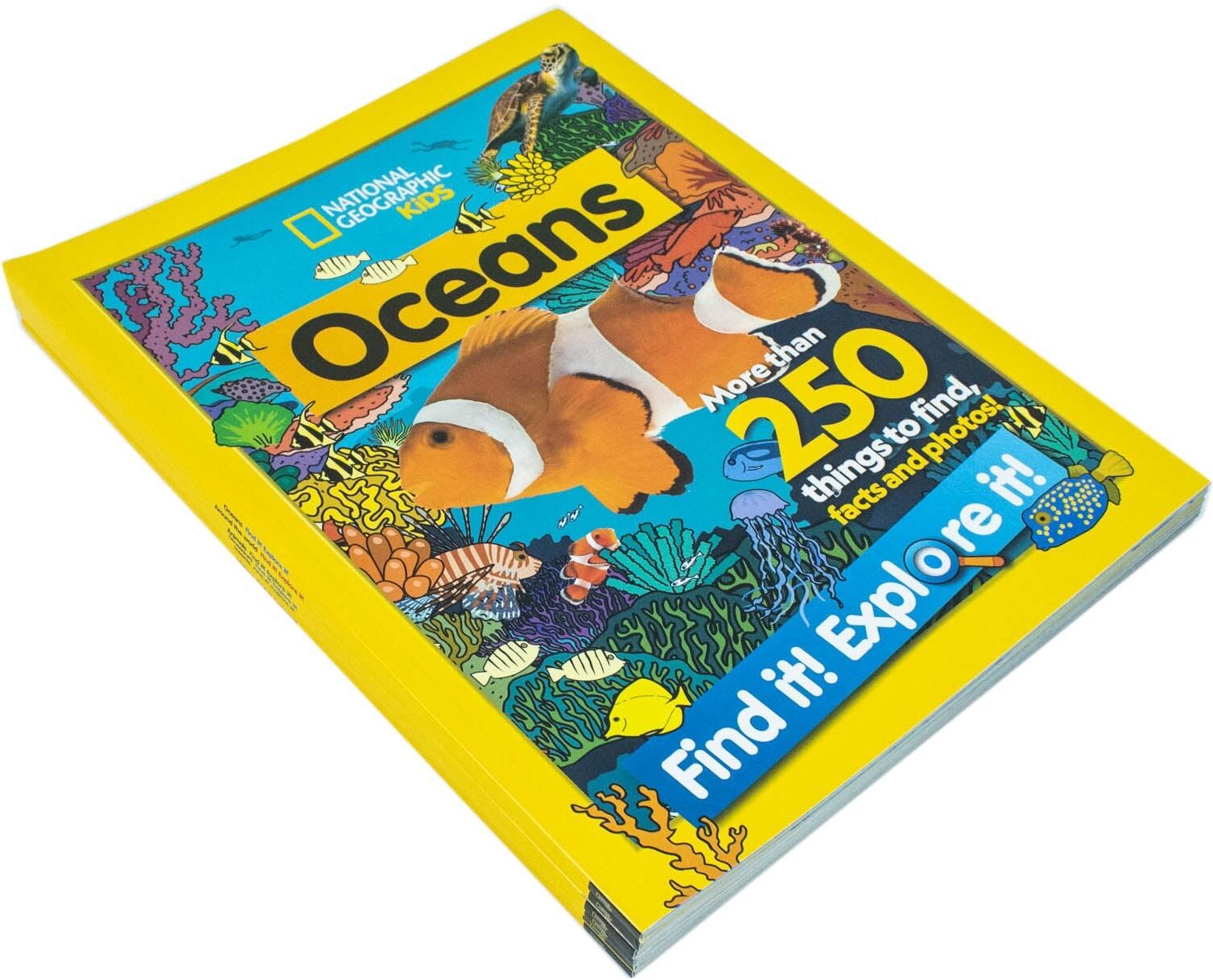
Collins National Geographic Kids Find it! Explore it! 6 Books Collection Set (Animals, Oceans, History, Insects, Around the World & Dinosaurs) ( More Than 250Animals Meet animals from around the world with this fun search and find fact book from National Geographic Kids.With colourful photos and lots of fun activities that kids will love it’s the perfect book for kids and grown-ups to enjoy together!Oceans Dive beneath the waves with this fun search and find fact book from National Geographic Kids.With colourful photos and lots of fun activities that kids will love it’s the perfect book for kids and grown-ups to enjoy together!History Travel back in time with this fun search and find fact book from National Geographic Kids.With colourful photos and lots of fun activities that kids will love it’s the perfect book for kids and grown-ups to enjoy together!Insects Meet insects from around the world with this fun search and find fact book from National Geographic Kids.With colourful photos and lots of fun activities that kids will love it’s the perfect book for kids and grown-ups to enjoy together!Around the World Go on a round-the-world adventure with this fun search and find fact book from National Geographic Kids.With colourful photos and lots of fun activities that kids will love it’s the perfect book for kids and grown-ups to enjoy together!Dinosaurs Meet dinosaurs from long ago with this fun search and find fact book from National Geographic Kids.With colourful pictures and lots of fun activities that kids will love it’s the perfect book for kids and grown-ups to enjoy together!12,49 £*Shipping: 2,99 £Secure redirect to the provider
-
Where would Germans flee to?
During World War II, Germans fleeing from the advancing Allied forces would often seek refuge in neighboring countries such as Switzerland, Sweden, and Spain. These countries were seen as neutral and offered a safe haven for those seeking to escape the conflict. Additionally, some Germans fled to South America, particularly Argentina and Brazil, where they could start a new life away from the war-torn regions of Europe. **
-
How does the rat flee?
The rat flees by scurrying quickly and darting away from the perceived threat. It uses its agile body and sharp reflexes to navigate through tight spaces and obstacles, making it difficult for predators to catch. The rat may also use its keen sense of smell and hearing to detect danger and find an escape route. Overall, the rat's ability to move swiftly and adapt to its environment allows it to flee from potential danger effectively. **
-
Where could a German flee to?
During World War II, Germans fleeing persecution or seeking refuge could have fled to neutral countries such as Switzerland, Sweden, or Spain. These countries were not directly involved in the war and offered some level of safety for those seeking asylum. Additionally, some Germans may have tried to escape to countries like the United States or Canada, although entry requirements were often strict. Ultimately, the options for fleeing Germany during this time were limited and challenging. **
-
Why do people flee during conflicts?
People flee during conflicts for various reasons, including fear for their safety, the threat of violence or persecution, and the desire to protect themselves and their families. Additionally, the destruction of homes, infrastructure, and livelihoods during conflicts can also force people to flee in search of safety and stability. The lack of access to basic necessities such as food, water, and healthcare in conflict-affected areas can further drive people to seek refuge in safer locations. **
"Through which visit would you flee?"
I would flee through a visit to a remote and peaceful natural setting, such as a secluded beach or a tranquil forest. Being surrounded by the beauty and serenity of nature would provide a sense of escape and rejuvenation from the stresses of everyday life. The opportunity to disconnect from technology and immerse myself in the peacefulness of the natural world would be a welcome retreat. **
Why do people flee from Serbia?
People flee from Serbia for a variety of reasons, including political instability, economic hardship, discrimination, and lack of opportunities. The country has also experienced conflicts and wars in the past, leading to displacement of people. Additionally, some individuals may flee due to persecution, human rights abuses, or fear for their safety. Overall, the reasons for fleeing from Serbia are complex and multifaceted, and vary from person to person. **
Top-Angebote
Products related to Flee:
-
From the Archives: Black History and Culture Value PackThis brand-new series is rooted in a profound commitment to shedding light on some of the important -- and often lesser-known -- aspects of Black history. From the Archives features landmarks, events, people, and artistic endeavors that have played...26,99 $*Shipping: 0,00 $Secure redirect to the provider
-
Orion The Book of Humans by Adam Rutherford – A Brief History of Culture, Sex, War & EvolutionWHAT MAKES US HUMAN? Waging war? Sex for pleasure? Creating art? Mastery of fire? In this thrilling tour of the animal kingdom, Adam Rutherford tells the story of how we became the unique creatures we are today. Illuminated by the latest scientific discoveries, THE BOOK OF HUMANS is a dazzling compendium of what unequivocally fixes us as animals, and reveals how we are extraordinary among them.4,98 £*Shipping: 1,99 £Secure redirect to the provider
-
Collins National Geographic Kids Find it! Explore it! 6 Books Collection Set (Animals, Oceans, History, Insects, Around the World & Dinosaurs) ( More Than 250Animals Meet animals from around the world with this fun search and find fact book from National Geographic Kids.With colourful photos and lots of fun activities that kids will love it’s the perfect book for kids and grown-ups to enjoy together!Oceans Dive beneath the waves with this fun search and find fact book from National Geographic Kids.With colourful photos and lots of fun activities that kids will love it’s the perfect book for kids and grown-ups to enjoy together!History Travel back in time with this fun search and find fact book from National Geographic Kids.With colourful photos and lots of fun activities that kids will love it’s the perfect book for kids and grown-ups to enjoy together!Insects Meet insects from around the world with this fun search and find fact book from National Geographic Kids.With colourful photos and lots of fun activities that kids will love it’s the perfect book for kids and grown-ups to enjoy together!Around the World Go on a round-the-world adventure with this fun search and find fact book from National Geographic Kids.With colourful photos and lots of fun activities that kids will love it’s the perfect book for kids and grown-ups to enjoy together!Dinosaurs Meet dinosaurs from long ago with this fun search and find fact book from National Geographic Kids.With colourful pictures and lots of fun activities that kids will love it’s the perfect book for kids and grown-ups to enjoy together!12,49 £*Shipping: 2,99 £Secure redirect to the provider
-
How do people flee?
People flee in various ways depending on the circumstances. In times of conflict or persecution, people may flee on foot, by car, or by boat to seek safety in another country. In natural disasters, people may evacuate their homes and seek refuge in designated shelters or with family and friends in safer areas. Some people may also flee due to economic hardship or lack of opportunities, moving to other regions or countries in search of a better life. Overall, fleeing often involves leaving behind one's home and belongings in search of safety, security, and a better future. **
-
Why did Socrates not flee?
Socrates did not flee because he believed in the importance of upholding the laws of the city, even if he disagreed with them. He felt that by fleeing, he would be undermining the legal system and the principles of justice that he valued. Additionally, Socrates believed that facing his accusers and accepting his fate would be a way to demonstrate his commitment to his philosophical beliefs, even in the face of death. **
-
Where would Germans flee to?
During World War II, Germans fleeing from the advancing Allied forces would often seek refuge in neighboring countries such as Switzerland, Sweden, and Spain. These countries were seen as neutral and offered a safe haven for those seeking to escape the conflict. Additionally, some Germans fled to South America, particularly Argentina and Brazil, where they could start a new life away from the war-torn regions of Europe. **
-
How does the rat flee?
The rat flees by scurrying quickly and darting away from the perceived threat. It uses its agile body and sharp reflexes to navigate through tight spaces and obstacles, making it difficult for predators to catch. The rat may also use its keen sense of smell and hearing to detect danger and find an escape route. Overall, the rat's ability to move swiftly and adapt to its environment allows it to flee from potential danger effectively. **
Similar search terms for Flee
-
Where could a German flee to?
During World War II, Germans fleeing persecution or seeking refuge could have fled to neutral countries such as Switzerland, Sweden, or Spain. These countries were not directly involved in the war and offered some level of safety for those seeking asylum. Additionally, some Germans may have tried to escape to countries like the United States or Canada, although entry requirements were often strict. Ultimately, the options for fleeing Germany during this time were limited and challenging. **
-
Why do people flee during conflicts?
People flee during conflicts for various reasons, including fear for their safety, the threat of violence or persecution, and the desire to protect themselves and their families. Additionally, the destruction of homes, infrastructure, and livelihoods during conflicts can also force people to flee in search of safety and stability. The lack of access to basic necessities such as food, water, and healthcare in conflict-affected areas can further drive people to seek refuge in safer locations. **
-
"Through which visit would you flee?"
I would flee through a visit to a remote and peaceful natural setting, such as a secluded beach or a tranquil forest. Being surrounded by the beauty and serenity of nature would provide a sense of escape and rejuvenation from the stresses of everyday life. The opportunity to disconnect from technology and immerse myself in the peacefulness of the natural world would be a welcome retreat. **
-
Why do people flee from Serbia?
People flee from Serbia for a variety of reasons, including political instability, economic hardship, discrimination, and lack of opportunities. The country has also experienced conflicts and wars in the past, leading to displacement of people. Additionally, some individuals may flee due to persecution, human rights abuses, or fear for their safety. Overall, the reasons for fleeing from Serbia are complex and multifaceted, and vary from person to person. **
* All prices are inclusive of VAT and, if applicable, plus shipping costs. The offer information is based on the details provided by the respective shop and is updated through automated processes. Real-time updates do not occur, so deviations can occur in individual cases. ** Note: Parts of this content were created by AI.