Buy come2europe.eu ?
We are moving the project
come2europe.eu .
Are you interested in purchasing the domain
come2europe.eu ?
domain@kv-gmbh.de · 0541-91531010
Buy come2europe.eu ?
Why is no Germanic history taught?
Germanic history is often overlooked in traditional history curriculums because it is not as well-documented or as widely studied as other historical periods. Additionally, the focus of many history courses tends to be on more well-known civilizations and empires, suchjson as ancient Greece and Rome, or more recent events such as the World Wars. However, Germanic history has played a significant role in shaping Europe and the world, and it is important to include it in historical education to provide a more comprehensive understanding of the past. Efforts are being made to incorporate Germanic history into curriculums, but it may still be overshadowed by other historical topics. **
What is the history of the ancient Germanic peoples?
The ancient Germanic peoples were a group of tribes that originated in northern Europe around the first millennium BCE. They were known for their warrior culture and fierce independence. The Germanic tribes played a significant role in the fall of the Western Roman Empire and the subsequent migration period in Europe. Over time, they gradually assimilated into other cultures and their languages evolved into modern German, Dutch, English, and other Germanic languages. **

Similar search terms for Germanic
Top-Angebote
Products related to Germanic:
-
Collins National Geographic Kids Find it! Explore it! 6 Books Collection Set (Animals, Oceans, History, Insects, Around the World & Dinosaurs) ( More Than 250Animals Meet animals from around the world with this fun search and find fact book from National Geographic Kids.With colourful photos and lots of fun activities that kids will love it’s the perfect book for kids and grown-ups to enjoy together!Oceans Dive beneath the waves with this fun search and find fact book from National Geographic Kids.With colourful photos and lots of fun activities that kids will love it’s the perfect book for kids and grown-ups to enjoy together!History Travel back in time with this fun search and find fact book from National Geographic Kids.With colourful photos and lots of fun activities that kids will love it’s the perfect book for kids and grown-ups to enjoy together!Insects Meet insects from around the world with this fun search and find fact book from National Geographic Kids.With colourful photos and lots of fun activities that kids will love it’s the perfect book for kids and grown-ups to enjoy together!Around the World Go on a round-the-world adventure with this fun search and find fact book from National Geographic Kids.With colourful photos and lots of fun activities that kids will love it’s the perfect book for kids and grown-ups to enjoy together!Dinosaurs Meet dinosaurs from long ago with this fun search and find fact book from National Geographic Kids.With colourful pictures and lots of fun activities that kids will love it’s the perfect book for kids and grown-ups to enjoy together!12,49 £*Shipping: 2,99 £Secure redirect to the provider

-
What is the history of the ancient Germanic people?
The ancient Germanic people were a group of diverse tribes and clans that originated in northern Europe around the first millennium BCE. They were known for their warrior culture, pagan beliefs, and decentralized political structure. The Germanic tribes played a significant role in the fall of the Western Roman Empire and the subsequent formation of medieval Europe. Over time, they were influenced by Roman and Christian cultures, leading to the development of modern Germanic languages and traditions. **
-
Were the Germanic people Vikings, or were the Vikings Germanic?
The Germanic people were a group of tribes that lived in Northern Europe, including modern-day Germany, Scandinavia, and the Netherlands. The Vikings were a specific group of people within the broader Germanic culture, known for their seafaring and raiding activities. So, the Vikings were a subset of the Germanic people, and not all Germanic people were Vikings. **
-
What was so great about the Germanic people in history?
The Germanic people in history were known for their fierce warrior culture, which made them formidable opponents in battle. They were also skilled craftsmen and traders, contributing to the spread of their culture and influence across Europe. Additionally, their legal and political systems, such as the early forms of the assembly and the concept of personal freedom, had a lasting impact on the development of Western civilization. Overall, the Germanic people played a significant role in shaping the history and culture of Europe. **
-
Are the Celts Germanic?
No, the Celts are not Germanic. The Celts were a distinct group of people who originated in Central Europe and spread across much of Western Europe, including areas that are now part of modern-day France, Spain, and the British Isles. The Germanic peoples, on the other hand, originated in northern Europe and eventually spread into areas that are now part of modern-day Germany, Scandinavia, and the Netherlands. While the Celts and Germanic peoples may have had some interactions and influences on each other, they are considered to be separate and distinct cultural and linguistic groups. **
Were the Greeks Germanic?
No, the Greeks were not Germanic. The Greeks were an ancient civilization that originated in the Mediterranean region, while the Germanic peoples were a group of tribes that originated in northern Europe. The Greeks had their own distinct language, culture, and history, which were different from those of the Germanic peoples. Therefore, it is not accurate to classify the Greeks as Germanic. **
What is Germanic Neopaganism?
Germanic Neopaganism is a modern revival of the pre-Christian religious practices and beliefs of the Germanic peoples. It encompasses a variety of traditions and practices inspired by the ancient Germanic cultures, including Norse, Anglo-Saxon, and Continental Germanic traditions. Followers of Germanic Neopaganism often worship a pantheon of gods and goddesses, honor their ancestors, and celebrate seasonal festivals. It is a decentralized and diverse movement, with different groups and individuals interpreting and practicing the faith in their own unique ways. **
Top-Angebote
Products related to Germanic:
-
From the Archives: Black History and Culture Value PackThis brand-new series is rooted in a profound commitment to shedding light on some of the important -- and often lesser-known -- aspects of Black history. From the Archives features landmarks, events, people, and artistic endeavors that have played...26,99 $*Shipping: 0,00 $Secure redirect to the provider
-
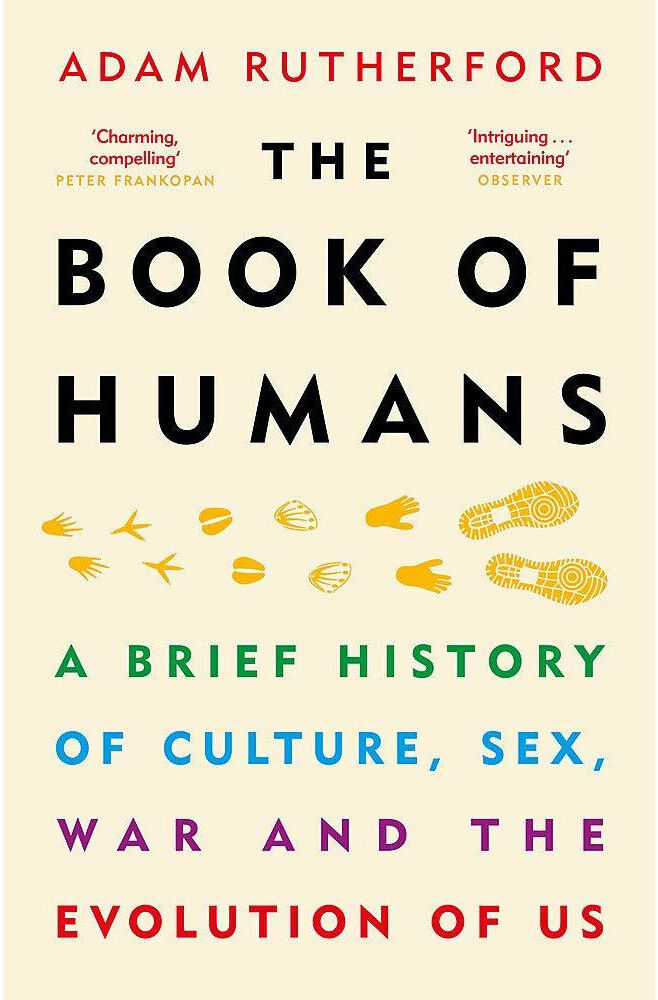
Orion The Book of Humans by Adam Rutherford – A Brief History of Culture, Sex, War & EvolutionWHAT MAKES US HUMAN? Waging war? Sex for pleasure? Creating art? Mastery of fire? In this thrilling tour of the animal kingdom, Adam Rutherford tells the story of how we became the unique creatures we are today. Illuminated by the latest scientific discoveries, THE BOOK OF HUMANS is a dazzling compendium of what unequivocally fixes us as animals, and reveals how we are extraordinary among them.4,98 £*Shipping: 1,99 £Secure redirect to the provider
-
Collins National Geographic Kids Find it! Explore it! 6 Books Collection Set (Animals, Oceans, History, Insects, Around the World & Dinosaurs) ( More Than 250Animals Meet animals from around the world with this fun search and find fact book from National Geographic Kids.With colourful photos and lots of fun activities that kids will love it’s the perfect book for kids and grown-ups to enjoy together!Oceans Dive beneath the waves with this fun search and find fact book from National Geographic Kids.With colourful photos and lots of fun activities that kids will love it’s the perfect book for kids and grown-ups to enjoy together!History Travel back in time with this fun search and find fact book from National Geographic Kids.With colourful photos and lots of fun activities that kids will love it’s the perfect book for kids and grown-ups to enjoy together!Insects Meet insects from around the world with this fun search and find fact book from National Geographic Kids.With colourful photos and lots of fun activities that kids will love it’s the perfect book for kids and grown-ups to enjoy together!Around the World Go on a round-the-world adventure with this fun search and find fact book from National Geographic Kids.With colourful photos and lots of fun activities that kids will love it’s the perfect book for kids and grown-ups to enjoy together!Dinosaurs Meet dinosaurs from long ago with this fun search and find fact book from National Geographic Kids.With colourful pictures and lots of fun activities that kids will love it’s the perfect book for kids and grown-ups to enjoy together!12,49 £*Shipping: 2,99 £Secure redirect to the provider
-
Why is no Germanic history taught?
Germanic history is often overlooked in traditional history curriculums because it is not as well-documented or as widely studied as other historical periods. Additionally, the focus of many history courses tends to be on more well-known civilizations and empires, suchjson as ancient Greece and Rome, or more recent events such as the World Wars. However, Germanic history has played a significant role in shaping Europe and the world, and it is important to include it in historical education to provide a more comprehensive understanding of the past. Efforts are being made to incorporate Germanic history into curriculums, but it may still be overshadowed by other historical topics. **
-
What is the history of the ancient Germanic peoples?
The ancient Germanic peoples were a group of tribes that originated in northern Europe around the first millennium BCE. They were known for their warrior culture and fierce independence. The Germanic tribes played a significant role in the fall of the Western Roman Empire and the subsequent migration period in Europe. Over time, they gradually assimilated into other cultures and their languages evolved into modern German, Dutch, English, and other Germanic languages. **
-
What is the history of the ancient Germanic people?
The ancient Germanic people were a group of diverse tribes and clans that originated in northern Europe around the first millennium BCE. They were known for their warrior culture, pagan beliefs, and decentralized political structure. The Germanic tribes played a significant role in the fall of the Western Roman Empire and the subsequent formation of medieval Europe. Over time, they were influenced by Roman and Christian cultures, leading to the development of modern Germanic languages and traditions. **
-
Were the Germanic people Vikings, or were the Vikings Germanic?
The Germanic people were a group of tribes that lived in Northern Europe, including modern-day Germany, Scandinavia, and the Netherlands. The Vikings were a specific group of people within the broader Germanic culture, known for their seafaring and raiding activities. So, the Vikings were a subset of the Germanic people, and not all Germanic people were Vikings. **
Similar search terms for Germanic
-
What was so great about the Germanic people in history?
The Germanic people in history were known for their fierce warrior culture, which made them formidable opponents in battle. They were also skilled craftsmen and traders, contributing to the spread of their culture and influence across Europe. Additionally, their legal and political systems, such as the early forms of the assembly and the concept of personal freedom, had a lasting impact on the development of Western civilization. Overall, the Germanic people played a significant role in shaping the history and culture of Europe. **
-
Are the Celts Germanic?
No, the Celts are not Germanic. The Celts were a distinct group of people who originated in Central Europe and spread across much of Western Europe, including areas that are now part of modern-day France, Spain, and the British Isles. The Germanic peoples, on the other hand, originated in northern Europe and eventually spread into areas that are now part of modern-day Germany, Scandinavia, and the Netherlands. While the Celts and Germanic peoples may have had some interactions and influences on each other, they are considered to be separate and distinct cultural and linguistic groups. **
-
Were the Greeks Germanic?
No, the Greeks were not Germanic. The Greeks were an ancient civilization that originated in the Mediterranean region, while the Germanic peoples were a group of tribes that originated in northern Europe. The Greeks had their own distinct language, culture, and history, which were different from those of the Germanic peoples. Therefore, it is not accurate to classify the Greeks as Germanic. **
-
What is Germanic Neopaganism?
Germanic Neopaganism is a modern revival of the pre-Christian religious practices and beliefs of the Germanic peoples. It encompasses a variety of traditions and practices inspired by the ancient Germanic cultures, including Norse, Anglo-Saxon, and Continental Germanic traditions. Followers of Germanic Neopaganism often worship a pantheon of gods and goddesses, honor their ancestors, and celebrate seasonal festivals. It is a decentralized and diverse movement, with different groups and individuals interpreting and practicing the faith in their own unique ways. **
* All prices are inclusive of VAT and, if applicable, plus shipping costs. The offer information is based on the details provided by the respective shop and is updated through automated processes. Real-time updates do not occur, so deviations can occur in individual cases. ** Note: Parts of this content were created by AI.