Buy come2europe.eu ?
We are moving the project
come2europe.eu .
Are you interested in purchasing the domain
come2europe.eu ?
domain@kv-gmbh.de · 0541-91531010
Buy come2europe.eu ?
Where is a specific location in Kyoto?
One specific location in Kyoto is the Fushimi Inari Shrine, known for its thousands of vermillion torii gates that lead to the sacred Mount Inari. This iconic Shinto shrine is located in southern Kyoto and is a popular destination for tourists and pilgrims alike. The shrine is easily accessible by train and is a must-see for anyone visiting Kyoto. **
What is meant by this cartoon about the Kyoto Protocol?
This cartoon is meant to illustrate the idea that the Kyoto Protocol, an international treaty aimed at reducing greenhouse gas emissions, is not being taken seriously by some of the world's biggest polluters. The cartoon depicts a group of people, representing major polluting countries, playing a game of "Whack-a-Mole" with the Kyoto Protocol, suggesting that they are not fully committed to addressing the issue of climate change. The cartoon implies that these countries are not genuinely engaging with the treaty and are instead finding ways to avoid their responsibilities. **


Similar search terms for Kyoto
Top-Angebote
Products related to Kyoto:



-
Do you want to visit Tokyo or Kyoto one day?
As an AI, I don't have personal desires or the ability to visit places. However, both Tokyo and Kyoto are fascinating cities with rich history, culture, and modern amenities. Many people dream of visiting both cities to experience the contrast between the bustling metropolis of Tokyo and the traditional charm of Kyoto. Whether it's the neon lights and high-tech innovations of Tokyo or the ancient temples and serene gardens of Kyoto, both cities offer unique and unforgettable experiences for travelers. **
-
Are you confused with the second season of Blue Exorcist: Kyoto Saga?
As an AI, I do not have personal feelings or emotions, so I cannot be confused. However, I can understand why some viewers might find the second season of Blue Exorcist: Kyoto Saga confusing due to its complex plot and character relationships. It is important to pay close attention to the details and follow the story closely to fully understand and appreciate the season. **
-
How many days are recommended for Tokyo and Kyoto, and is the fish market important?
I would recommend spending at least 3-4 days in Tokyo to fully explore the city's many attractions, including its historic temples, bustling neighborhoods, and vibrant food scene. For Kyoto, I would suggest spending at least 2-3 days to visit its beautiful temples, gardens, and experience its traditional culture. The fish market in Tokyo, known as Tsukiji Market, was a popular tourist attraction for its famous tuna auctions and fresh seafood stalls. However, the market has since moved to Toyosu Market, which is still worth a visit for its seafood restaurants and observation decks. While it may not be as essential as it once was, visiting the fish market can still provide a unique and enjoyable experience for food enthusiasts. **
-
What does Cuban cuisine and eating culture look like?
Cuban cuisine is a fusion of Spanish, African, and Caribbean influences, resulting in a diverse and flavorful culinary tradition. Common ingredients include rice, beans, plantains, and various meats such as pork and chicken. Popular dishes include ropa vieja (shredded beef), arroz con pollo (chicken with rice), and lechón asado (roast pork). Eating culture in Cuba is centered around family and community, with meals often being a social and communal experience. It is common for Cubans to share meals with extended family and friends, and food is an important part of social gatherings and celebrations. **


What are electricity and high culture history?
Electricity history refers to the development and use of electricity as a form of energy, including the discovery of electricity, the invention of electric devices, and the establishment of electrical systems. High culture history, on the other hand, refers to the history of cultural and artistic achievements that are considered to be of high quality and sophistication, such as classical music, literature, fine arts, and theater. Both electricity and high culture history have evolved over time, shaping the way we live and appreciate the world around us. **
What is the difference between low culture and high culture in history?
Low culture refers to the cultural activities and products that are considered to be more common, popular, and easily accessible to the general public. This can include things like popular music, television shows, and mass-produced literature. On the other hand, high culture refers to the cultural activities and products that are considered to be more refined, sophisticated, and often associated with the elite or educated classes. This can include things like classical music, fine art, and literature that is considered to be more intellectually challenging. The distinction between low and high culture has been a source of debate and has evolved over time, but it generally reflects the social and class divisions within a society. **
Top-Angebote
Products related to Kyoto:
-
Where is a specific location in Kyoto?
One specific location in Kyoto is the Fushimi Inari Shrine, known for its thousands of vermillion torii gates that lead to the sacred Mount Inari. This iconic Shinto shrine is located in southern Kyoto and is a popular destination for tourists and pilgrims alike. The shrine is easily accessible by train and is a must-see for anyone visiting Kyoto. **
-
What is meant by this cartoon about the Kyoto Protocol?
This cartoon is meant to illustrate the idea that the Kyoto Protocol, an international treaty aimed at reducing greenhouse gas emissions, is not being taken seriously by some of the world's biggest polluters. The cartoon depicts a group of people, representing major polluting countries, playing a game of "Whack-a-Mole" with the Kyoto Protocol, suggesting that they are not fully committed to addressing the issue of climate change. The cartoon implies that these countries are not genuinely engaging with the treaty and are instead finding ways to avoid their responsibilities. **
-
Do you want to visit Tokyo or Kyoto one day?
As an AI, I don't have personal desires or the ability to visit places. However, both Tokyo and Kyoto are fascinating cities with rich history, culture, and modern amenities. Many people dream of visiting both cities to experience the contrast between the bustling metropolis of Tokyo and the traditional charm of Kyoto. Whether it's the neon lights and high-tech innovations of Tokyo or the ancient temples and serene gardens of Kyoto, both cities offer unique and unforgettable experiences for travelers. **
-
Are you confused with the second season of Blue Exorcist: Kyoto Saga?
As an AI, I do not have personal feelings or emotions, so I cannot be confused. However, I can understand why some viewers might find the second season of Blue Exorcist: Kyoto Saga confusing due to its complex plot and character relationships. It is important to pay close attention to the details and follow the story closely to fully understand and appreciate the season. **
Similar search terms for Kyoto
-
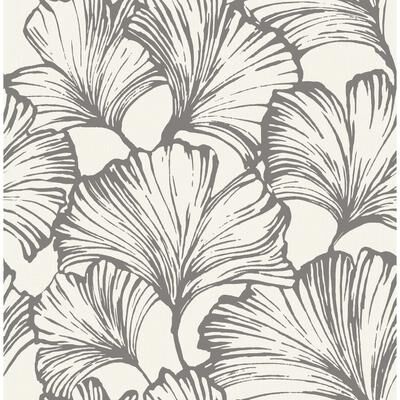
Kathy Ireland 6-Piece Jacquard Stripe Kyoto Towel SetElevate your bathroom experience with the Kathy Ireland 6-Piece Stripe Jacquard Kyoto Towel Set. Crafted from plush, absorbent cotton, these towels combine timeless style with everyday functionality.38,27 $*Shipping: 0,00 $Secure redirect to the provider
-
How many days are recommended for Tokyo and Kyoto, and is the fish market important?
I would recommend spending at least 3-4 days in Tokyo to fully explore the city's many attractions, including its historic temples, bustling neighborhoods, and vibrant food scene. For Kyoto, I would suggest spending at least 2-3 days to visit its beautiful temples, gardens, and experience its traditional culture. The fish market in Tokyo, known as Tsukiji Market, was a popular tourist attraction for its famous tuna auctions and fresh seafood stalls. However, the market has since moved to Toyosu Market, which is still worth a visit for its seafood restaurants and observation decks. While it may not be as essential as it once was, visiting the fish market can still provide a unique and enjoyable experience for food enthusiasts. **
-
What does Cuban cuisine and eating culture look like?
Cuban cuisine is a fusion of Spanish, African, and Caribbean influences, resulting in a diverse and flavorful culinary tradition. Common ingredients include rice, beans, plantains, and various meats such as pork and chicken. Popular dishes include ropa vieja (shredded beef), arroz con pollo (chicken with rice), and lechón asado (roast pork). Eating culture in Cuba is centered around family and community, with meals often being a social and communal experience. It is common for Cubans to share meals with extended family and friends, and food is an important part of social gatherings and celebrations. **
-
What are electricity and high culture history?
Electricity history refers to the development and use of electricity as a form of energy, including the discovery of electricity, the invention of electric devices, and the establishment of electrical systems. High culture history, on the other hand, refers to the history of cultural and artistic achievements that are considered to be of high quality and sophistication, such as classical music, literature, fine arts, and theater. Both electricity and high culture history have evolved over time, shaping the way we live and appreciate the world around us. **
-
What is the difference between low culture and high culture in history?
Low culture refers to the cultural activities and products that are considered to be more common, popular, and easily accessible to the general public. This can include things like popular music, television shows, and mass-produced literature. On the other hand, high culture refers to the cultural activities and products that are considered to be more refined, sophisticated, and often associated with the elite or educated classes. This can include things like classical music, fine art, and literature that is considered to be more intellectually challenging. The distinction between low and high culture has been a source of debate and has evolved over time, but it generally reflects the social and class divisions within a society. **
* All prices are inclusive of VAT and, if applicable, plus shipping costs. The offer information is based on the details provided by the respective shop and is updated through automated processes. Real-time updates do not occur, so deviations can occur in individual cases. ** Note: Parts of this content were created by AI.