Buy come2europe.eu ?
We are moving the project
come2europe.eu .
Are you interested in purchasing the domain
come2europe.eu ?
domain@kv-gmbh.de · 0541-91531010
Buy come2europe.eu ?
How can one memorize 16 pages of history?
To memorize 16 pages of history, it is important to break down the information into smaller, more manageable sections. Create an outline or summary of the key points on each page to help organize the material. Utilize mnemonic devices, such as acronyms or visualization techniques, to aid in memory retention. Regularly review the material through active recall and practice retrieval exercises to reinforce your memory. Lastly, try to connect the historical facts to personal experiences or create a narrative to make the information more meaningful and easier to remember. **
How does one memorize 16 pages of history?
To memorize 16 pages of history, it is important to break down the information into smaller, more manageable sections. Create an outline or summary of the key points on each page to help organize the material. Utilize mnemonic devices, visualization techniques, or flashcards to aid in memorization. Regularly review the information and practice recalling it to reinforce your memory. Additionally, teaching the material to someone else can also help solidify your understanding and retention of the content. **
Similar search terms for Memorize
Top-Angebote
Products related to Memorize:
-
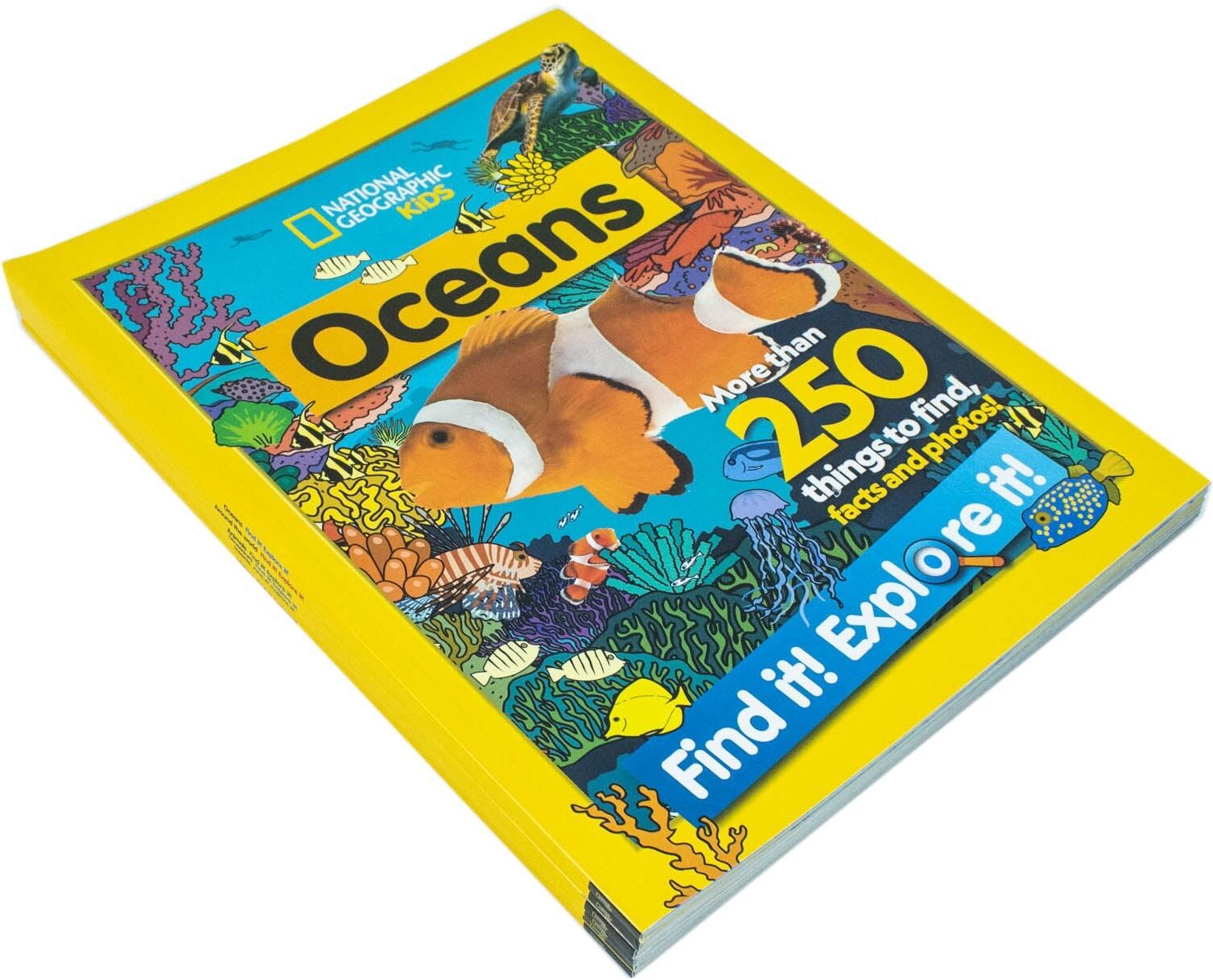
Collins National Geographic Kids Find it! Explore it! 6 Books Collection Set (Animals, Oceans, History, Insects, Around the World & Dinosaurs) ( More Than 250Animals Meet animals from around the world with this fun search and find fact book from National Geographic Kids.With colourful photos and lots of fun activities that kids will love it’s the perfect book for kids and grown-ups to enjoy together!Oceans Dive beneath the waves with this fun search and find fact book from National Geographic Kids.With colourful photos and lots of fun activities that kids will love it’s the perfect book for kids and grown-ups to enjoy together!History Travel back in time with this fun search and find fact book from National Geographic Kids.With colourful photos and lots of fun activities that kids will love it’s the perfect book for kids and grown-ups to enjoy together!Insects Meet insects from around the world with this fun search and find fact book from National Geographic Kids.With colourful photos and lots of fun activities that kids will love it’s the perfect book for kids and grown-ups to enjoy together!Around the World Go on a round-the-world adventure with this fun search and find fact book from National Geographic Kids.With colourful photos and lots of fun activities that kids will love it’s the perfect book for kids and grown-ups to enjoy together!Dinosaurs Meet dinosaurs from long ago with this fun search and find fact book from National Geographic Kids.With colourful pictures and lots of fun activities that kids will love it’s the perfect book for kids and grown-ups to enjoy together!12,49 £*Shipping: 2,99 £Secure redirect to the provider
-
How does one memorize an outline of the history of art?
To memorize an outline of the history of art, it is helpful to break the timeline into distinct periods or movements, such as Ancient Art, Renaissance, Baroque, Romanticism, Impressionism, and so on. Then, create a mnemonic device or visual aids to help remember the key characteristics, artists, and artworks associated with each period. Additionally, actively engaging with the art by visiting museums, studying images, and reading about the historical context can help reinforce the information in your memory. Finally, regularly reviewing the outline and testing yourself on the key points will help solidify your understanding of the history of art. **
-
How do you memorize things?
I use a variety of techniques to help me memorize things. One method I find effective is creating mnemonic devices, such as acronyms or rhymes, to help me remember information. I also like to break down the material into smaller chunks and study them one at a time. Additionally, I find that repetition and practice are key to solidifying my memory of the information. **
-
How can one memorize images?
One way to memorize images is to create a vivid mental picture of the image in your mind. Pay attention to details, colors, shapes, and any unique features of the image. You can also associate the image with a familiar place or object to help anchor it in your memory. Another technique is to use mnemonic devices or create a story around the image to make it more memorable. Practice recalling the image multiple times to reinforce the memory. **
-
How can one memorize streets?
One way to memorize streets is to create a mental map of the area by visualizing the layout of the streets and their intersections. Another method is to physically walk or drive through the streets to familiarize yourself with the surroundings. Additionally, using mnemonic devices or associating landmarks with specific streets can help reinforce your memory of the area. Consistent practice and repetition of the street names and directions will also aid in memorization. **
Which formula should I memorize?
It is important to memorize formulas that are frequently used in your field of study or work. For example, if you are studying physics, you may need to memorize formulas related to motion, energy, and forces. If you are in finance, you may need to memorize formulas for calculating interest rates or investment returns. Focus on memorizing formulas that you use regularly and that are essential for your understanding and application of the subject matter. **
How should one memorize exactly?
To memorize effectively, it is important to use a variety of techniques such as repetition, visualization, association, and chunking. Breaking down the information into smaller, more manageable chunks can make it easier to remember. Additionally, creating mnemonic devices or connecting the information to personal experiences can help reinforce memory retention. It is also beneficial to practice retrieval by testing yourself on the material regularly. Finally, getting enough rest, staying hydrated, and maintaining a healthy lifestyle can also support memory retention. **
Top-Angebote
Products related to Memorize:
-
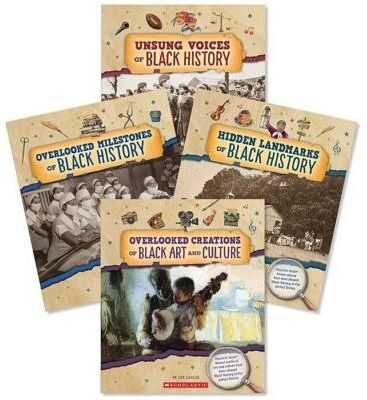
From the Archives: Black History and Culture Value PackThis brand-new series is rooted in a profound commitment to shedding light on some of the important -- and often lesser-known -- aspects of Black history. From the Archives features landmarks, events, people, and artistic endeavors that have played...26,99 $*Shipping: 0,00 $Secure redirect to the provider
-
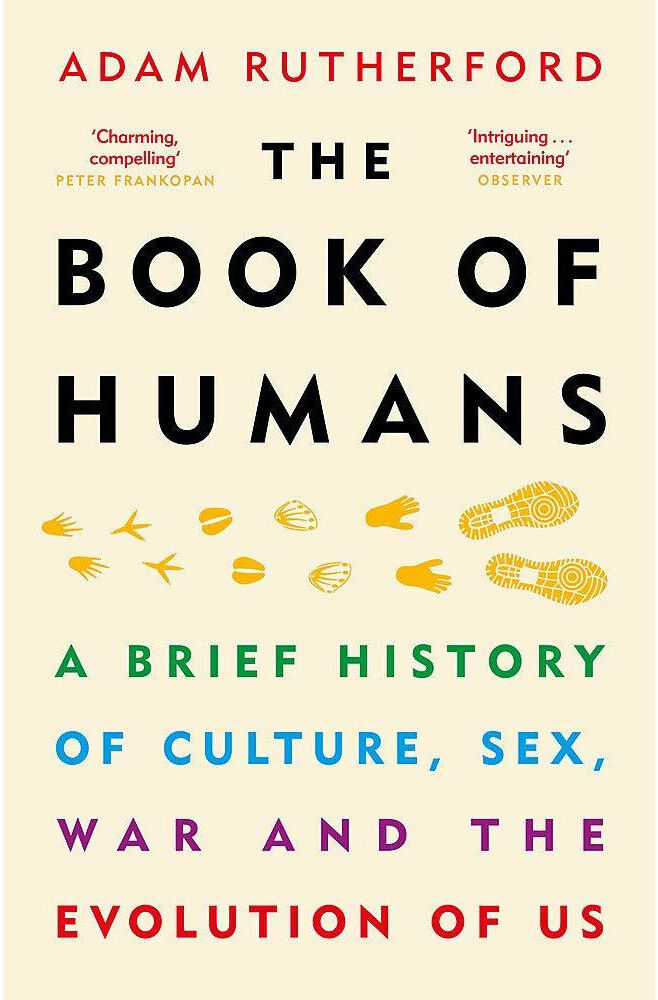
Orion The Book of Humans by Adam Rutherford – A Brief History of Culture, Sex, War & EvolutionWHAT MAKES US HUMAN? Waging war? Sex for pleasure? Creating art? Mastery of fire? In this thrilling tour of the animal kingdom, Adam Rutherford tells the story of how we became the unique creatures we are today. Illuminated by the latest scientific discoveries, THE BOOK OF HUMANS is a dazzling compendium of what unequivocally fixes us as animals, and reveals how we are extraordinary among them.4,98 £*Shipping: 1,99 £Secure redirect to the provider
-
Collins National Geographic Kids Find it! Explore it! 6 Books Collection Set (Animals, Oceans, History, Insects, Around the World & Dinosaurs) ( More Than 250Animals Meet animals from around the world with this fun search and find fact book from National Geographic Kids.With colourful photos and lots of fun activities that kids will love it’s the perfect book for kids and grown-ups to enjoy together!Oceans Dive beneath the waves with this fun search and find fact book from National Geographic Kids.With colourful photos and lots of fun activities that kids will love it’s the perfect book for kids and grown-ups to enjoy together!History Travel back in time with this fun search and find fact book from National Geographic Kids.With colourful photos and lots of fun activities that kids will love it’s the perfect book for kids and grown-ups to enjoy together!Insects Meet insects from around the world with this fun search and find fact book from National Geographic Kids.With colourful photos and lots of fun activities that kids will love it’s the perfect book for kids and grown-ups to enjoy together!Around the World Go on a round-the-world adventure with this fun search and find fact book from National Geographic Kids.With colourful photos and lots of fun activities that kids will love it’s the perfect book for kids and grown-ups to enjoy together!Dinosaurs Meet dinosaurs from long ago with this fun search and find fact book from National Geographic Kids.With colourful pictures and lots of fun activities that kids will love it’s the perfect book for kids and grown-ups to enjoy together!12,49 £*Shipping: 2,99 £Secure redirect to the provider
-
How can one memorize 16 pages of history?
To memorize 16 pages of history, it is important to break down the information into smaller, more manageable sections. Create an outline or summary of the key points on each page to help organize the material. Utilize mnemonic devices, such as acronyms or visualization techniques, to aid in memory retention. Regularly review the material through active recall and practice retrieval exercises to reinforce your memory. Lastly, try to connect the historical facts to personal experiences or create a narrative to make the information more meaningful and easier to remember. **
-
How does one memorize 16 pages of history?
To memorize 16 pages of history, it is important to break down the information into smaller, more manageable sections. Create an outline or summary of the key points on each page to help organize the material. Utilize mnemonic devices, visualization techniques, or flashcards to aid in memorization. Regularly review the information and practice recalling it to reinforce your memory. Additionally, teaching the material to someone else can also help solidify your understanding and retention of the content. **
-
How does one memorize an outline of the history of art?
To memorize an outline of the history of art, it is helpful to break the timeline into distinct periods or movements, such as Ancient Art, Renaissance, Baroque, Romanticism, Impressionism, and so on. Then, create a mnemonic device or visual aids to help remember the key characteristics, artists, and artworks associated with each period. Additionally, actively engaging with the art by visiting museums, studying images, and reading about the historical context can help reinforce the information in your memory. Finally, regularly reviewing the outline and testing yourself on the key points will help solidify your understanding of the history of art. **
-
How do you memorize things?
I use a variety of techniques to help me memorize things. One method I find effective is creating mnemonic devices, such as acronyms or rhymes, to help me remember information. I also like to break down the material into smaller chunks and study them one at a time. Additionally, I find that repetition and practice are key to solidifying my memory of the information. **
Similar search terms for Memorize
-
How can one memorize images?
One way to memorize images is to create a vivid mental picture of the image in your mind. Pay attention to details, colors, shapes, and any unique features of the image. You can also associate the image with a familiar place or object to help anchor it in your memory. Another technique is to use mnemonic devices or create a story around the image to make it more memorable. Practice recalling the image multiple times to reinforce the memory. **
-
How can one memorize streets?
One way to memorize streets is to create a mental map of the area by visualizing the layout of the streets and their intersections. Another method is to physically walk or drive through the streets to familiarize yourself with the surroundings. Additionally, using mnemonic devices or associating landmarks with specific streets can help reinforce your memory of the area. Consistent practice and repetition of the street names and directions will also aid in memorization. **
-
Which formula should I memorize?
It is important to memorize formulas that are frequently used in your field of study or work. For example, if you are studying physics, you may need to memorize formulas related to motion, energy, and forces. If you are in finance, you may need to memorize formulas for calculating interest rates or investment returns. Focus on memorizing formulas that you use regularly and that are essential for your understanding and application of the subject matter. **
-
How should one memorize exactly?
To memorize effectively, it is important to use a variety of techniques such as repetition, visualization, association, and chunking. Breaking down the information into smaller, more manageable chunks can make it easier to remember. Additionally, creating mnemonic devices or connecting the information to personal experiences can help reinforce memory retention. It is also beneficial to practice retrieval by testing yourself on the material regularly. Finally, getting enough rest, staying hydrated, and maintaining a healthy lifestyle can also support memory retention. **
* All prices are inclusive of VAT and, if applicable, plus shipping costs. The offer information is based on the details provided by the respective shop and is updated through automated processes. Real-time updates do not occur, so deviations can occur in individual cases. ** Note: Parts of this content were created by AI.