Buy come2europe.eu ?
We are moving the project
come2europe.eu .
Are you interested in purchasing the domain
come2europe.eu ?
domain@kv-gmbh.de · 0541-91531010
Buy come2europe.eu ?
What is parallelism?
Parallelism is a rhetorical device in which a writer or speaker uses similar grammatical structures, such as phrases or clauses, to create a balanced and harmonious effect. This technique helps to emphasize key ideas and create a sense of rhythm and flow in the writing. Parallelism is commonly used in literature, speeches, and advertising to make a point more memorable and impactful. It can also help to create a sense of unity and coherence in a piece of writing. **
Are parallelism and chiasmus opposites?
No, parallelism and chiasmus are not opposites. Parallelism is the repetition of similar grammatical structures or ideas in a sentence or passage, while chiasmus is a specific type of parallelism where the second half of a phrase mirrors the first half in reverse order. Both rhetorical devices involve balancing and mirroring elements in a sentence, but chiasmus adds an extra layer of symmetry by reversing the order of the elements. **

Similar search terms for Parallelism
Top-Angebote
Products related to Parallelism:
-
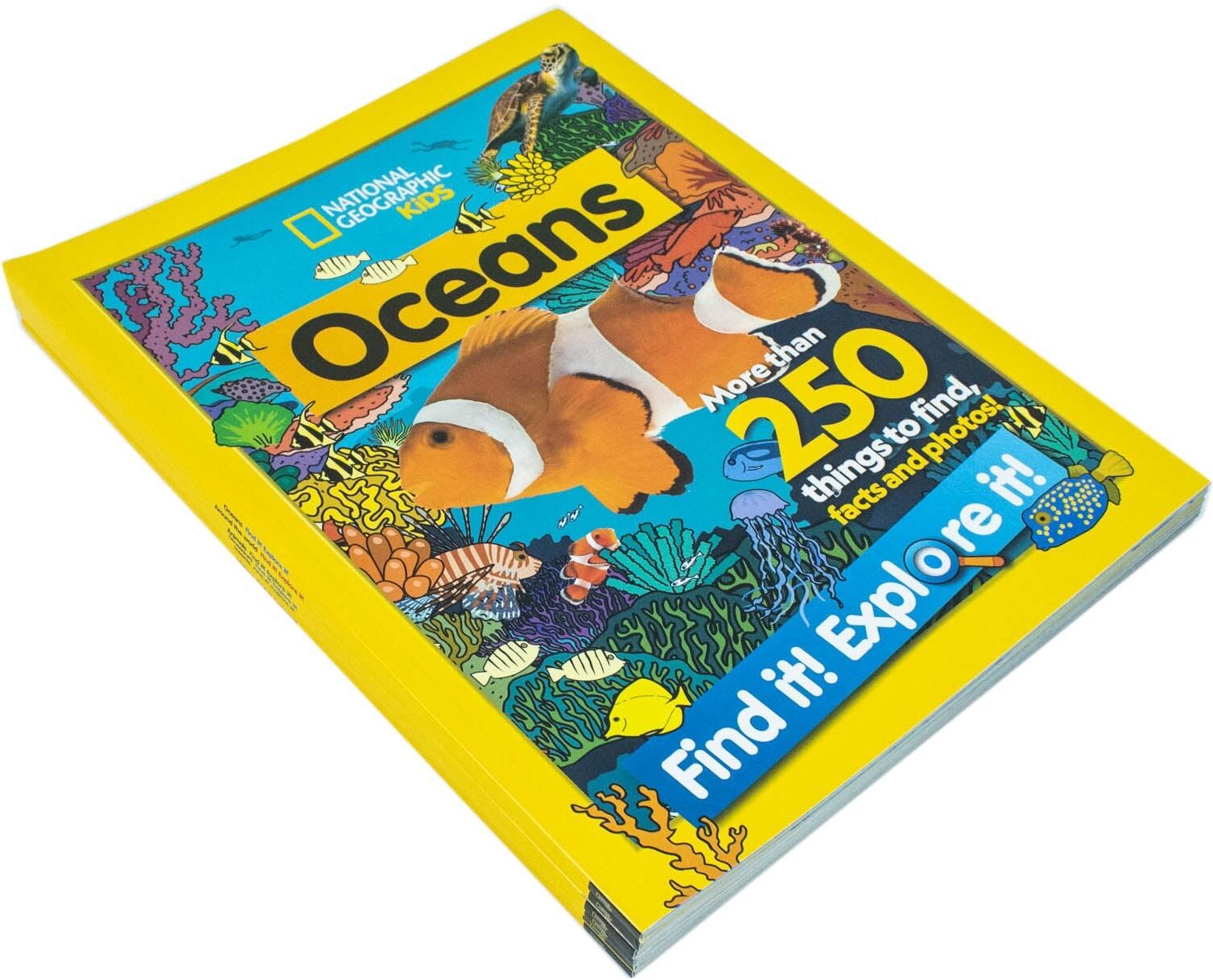
Collins National Geographic Kids Find it! Explore it! 6 Books Collection Set (Animals, Oceans, History, Insects, Around the World & Dinosaurs) ( More Than 250Animals Meet animals from around the world with this fun search and find fact book from National Geographic Kids.With colourful photos and lots of fun activities that kids will love it’s the perfect book for kids and grown-ups to enjoy together!Oceans Dive beneath the waves with this fun search and find fact book from National Geographic Kids.With colourful photos and lots of fun activities that kids will love it’s the perfect book for kids and grown-ups to enjoy together!History Travel back in time with this fun search and find fact book from National Geographic Kids.With colourful photos and lots of fun activities that kids will love it’s the perfect book for kids and grown-ups to enjoy together!Insects Meet insects from around the world with this fun search and find fact book from National Geographic Kids.With colourful photos and lots of fun activities that kids will love it’s the perfect book for kids and grown-ups to enjoy together!Around the World Go on a round-the-world adventure with this fun search and find fact book from National Geographic Kids.With colourful photos and lots of fun activities that kids will love it’s the perfect book for kids and grown-ups to enjoy together!Dinosaurs Meet dinosaurs from long ago with this fun search and find fact book from National Geographic Kids.With colourful pictures and lots of fun activities that kids will love it’s the perfect book for kids and grown-ups to enjoy together!12,49 £*Shipping: 2,99 £Secure redirect to the provider
-
How does parallelism work in a poem?
Parallelism in a poem involves using similar grammatical structures, such as repeating phrases or using the same sentence structure, to create a sense of balance and rhythm. This technique helps to emphasize key ideas or themes by drawing attention to them through repetition. By using parallelism, a poet can create a cohesive and harmonious flow in the poem, enhancing its overall impact on the reader. **
-
Is this a parallelism or an anaphora?
This is an anaphora. An anaphora is the repetition of a word or phrase at the beginning of successive clauses or sentences. In this case, the repeated phrase "I have a dream" at the beginning of each sentence is an example of anaphora. **
-
What is the difference between anaphora and parallelism?
Anaphora is the repetition of a word or phrase at the beginning of successive clauses or sentences, while parallelism is the repetition of similar grammatical structures within a sentence or passage. Anaphora is used to create emphasis and rhythm, while parallelism is used to create balance and symmetry in writing. Both devices can enhance the clarity and impact of a writer's message, but they achieve this in slightly different ways. **
-
Is this a case of parallelism or anaphora?
This is a case of anaphora. Anaphora is the repetition of a word or phrase at the beginning of successive clauses or sentences, which is evident in the repeated use of "I have a dream" at the beginning of each sentence in the passage. Parallelism, on the other hand, involves the repetition of similar grammatical structures within a sentence or passage. **
What are the stylistic devices chiasmus and parallelism?
Chiasmus is a rhetorical device in which words, phrases, or concepts are repeated in reverse order to create a balanced and parallel structure. For example, "Ask not what your country can do for you, ask what you can do for your country." Parallelism, on the other hand, is a literary technique in which parts of a sentence are grammatically similar in construction, sound, meaning, or meter. It helps to create rhythm, balance, and clarity in writing. Both chiasmus and parallelism are commonly used in literature, speeches, and poetry to enhance the impact of the message being conveyed. **
What are the literary devices Chiasmus and Parallelism?
Chiasmus is a rhetorical device in which words, phrases, or concepts are repeated in reverse order to create a balanced and symmetrical structure. This technique is often used to emphasize contrast or to create a sense of balance and harmony in a sentence or passage. Parallelism, on the other hand, is a literary device in which similar grammatical structures are used to create a pattern of repetition and rhythm. This technique can help to create a sense of unity and coherence in a piece of writing, as well as emphasize key ideas or themes. **
Top-Angebote
Products related to Parallelism:
-
From the Archives: Black History and Culture Value PackThis brand-new series is rooted in a profound commitment to shedding light on some of the important -- and often lesser-known -- aspects of Black history. From the Archives features landmarks, events, people, and artistic endeavors that have played...26,99 $*Shipping: 0,00 $Secure redirect to the provider
-
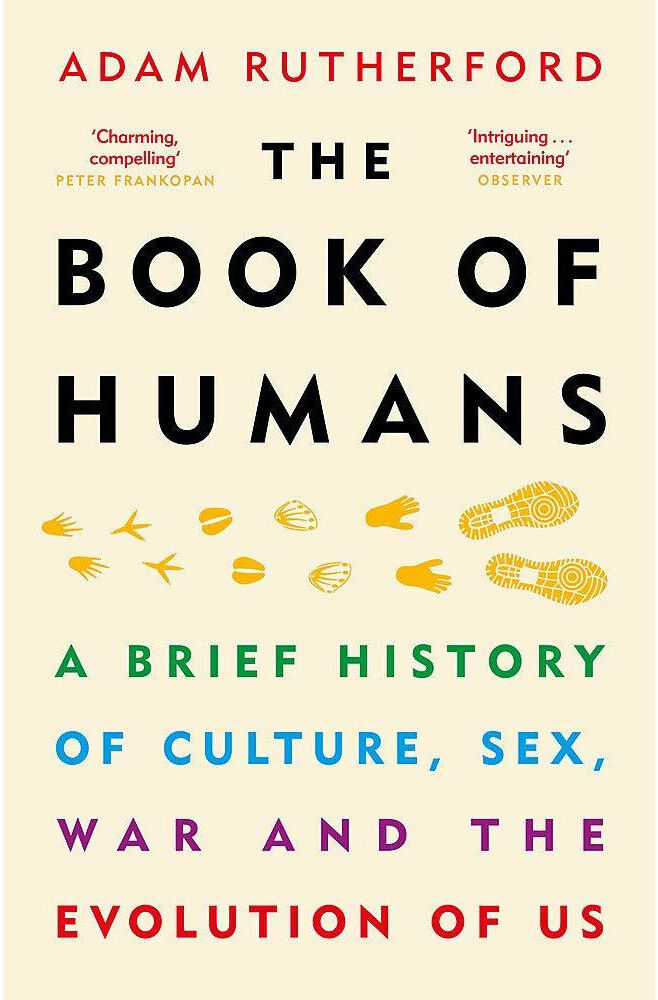
Orion The Book of Humans by Adam Rutherford – A Brief History of Culture, Sex, War & EvolutionWHAT MAKES US HUMAN? Waging war? Sex for pleasure? Creating art? Mastery of fire? In this thrilling tour of the animal kingdom, Adam Rutherford tells the story of how we became the unique creatures we are today. Illuminated by the latest scientific discoveries, THE BOOK OF HUMANS is a dazzling compendium of what unequivocally fixes us as animals, and reveals how we are extraordinary among them.4,98 £*Shipping: 1,99 £Secure redirect to the provider
-
Collins National Geographic Kids Find it! Explore it! 6 Books Collection Set (Animals, Oceans, History, Insects, Around the World & Dinosaurs) ( More Than 250Animals Meet animals from around the world with this fun search and find fact book from National Geographic Kids.With colourful photos and lots of fun activities that kids will love it’s the perfect book for kids and grown-ups to enjoy together!Oceans Dive beneath the waves with this fun search and find fact book from National Geographic Kids.With colourful photos and lots of fun activities that kids will love it’s the perfect book for kids and grown-ups to enjoy together!History Travel back in time with this fun search and find fact book from National Geographic Kids.With colourful photos and lots of fun activities that kids will love it’s the perfect book for kids and grown-ups to enjoy together!Insects Meet insects from around the world with this fun search and find fact book from National Geographic Kids.With colourful photos and lots of fun activities that kids will love it’s the perfect book for kids and grown-ups to enjoy together!Around the World Go on a round-the-world adventure with this fun search and find fact book from National Geographic Kids.With colourful photos and lots of fun activities that kids will love it’s the perfect book for kids and grown-ups to enjoy together!Dinosaurs Meet dinosaurs from long ago with this fun search and find fact book from National Geographic Kids.With colourful pictures and lots of fun activities that kids will love it’s the perfect book for kids and grown-ups to enjoy together!12,49 £*Shipping: 2,99 £Secure redirect to the provider
-
What is parallelism?
Parallelism is a rhetorical device in which a writer or speaker uses similar grammatical structures, such as phrases or clauses, to create a balanced and harmonious effect. This technique helps to emphasize key ideas and create a sense of rhythm and flow in the writing. Parallelism is commonly used in literature, speeches, and advertising to make a point more memorable and impactful. It can also help to create a sense of unity and coherence in a piece of writing. **
-
Are parallelism and chiasmus opposites?
No, parallelism and chiasmus are not opposites. Parallelism is the repetition of similar grammatical structures or ideas in a sentence or passage, while chiasmus is a specific type of parallelism where the second half of a phrase mirrors the first half in reverse order. Both rhetorical devices involve balancing and mirroring elements in a sentence, but chiasmus adds an extra layer of symmetry by reversing the order of the elements. **
-
How does parallelism work in a poem?
Parallelism in a poem involves using similar grammatical structures, such as repeating phrases or using the same sentence structure, to create a sense of balance and rhythm. This technique helps to emphasize key ideas or themes by drawing attention to them through repetition. By using parallelism, a poet can create a cohesive and harmonious flow in the poem, enhancing its overall impact on the reader. **
-
Is this a parallelism or an anaphora?
This is an anaphora. An anaphora is the repetition of a word or phrase at the beginning of successive clauses or sentences. In this case, the repeated phrase "I have a dream" at the beginning of each sentence is an example of anaphora. **
Similar search terms for Parallelism
-
What is the difference between anaphora and parallelism?
Anaphora is the repetition of a word or phrase at the beginning of successive clauses or sentences, while parallelism is the repetition of similar grammatical structures within a sentence or passage. Anaphora is used to create emphasis and rhythm, while parallelism is used to create balance and symmetry in writing. Both devices can enhance the clarity and impact of a writer's message, but they achieve this in slightly different ways. **
-
Is this a case of parallelism or anaphora?
This is a case of anaphora. Anaphora is the repetition of a word or phrase at the beginning of successive clauses or sentences, which is evident in the repeated use of "I have a dream" at the beginning of each sentence in the passage. Parallelism, on the other hand, involves the repetition of similar grammatical structures within a sentence or passage. **
-
What are the stylistic devices chiasmus and parallelism?
Chiasmus is a rhetorical device in which words, phrases, or concepts are repeated in reverse order to create a balanced and parallel structure. For example, "Ask not what your country can do for you, ask what you can do for your country." Parallelism, on the other hand, is a literary technique in which parts of a sentence are grammatically similar in construction, sound, meaning, or meter. It helps to create rhythm, balance, and clarity in writing. Both chiasmus and parallelism are commonly used in literature, speeches, and poetry to enhance the impact of the message being conveyed. **
-
What are the literary devices Chiasmus and Parallelism?
Chiasmus is a rhetorical device in which words, phrases, or concepts are repeated in reverse order to create a balanced and symmetrical structure. This technique is often used to emphasize contrast or to create a sense of balance and harmony in a sentence or passage. Parallelism, on the other hand, is a literary device in which similar grammatical structures are used to create a pattern of repetition and rhythm. This technique can help to create a sense of unity and coherence in a piece of writing, as well as emphasize key ideas or themes. **
* All prices are inclusive of VAT and, if applicable, plus shipping costs. The offer information is based on the details provided by the respective shop and is updated through automated processes. Real-time updates do not occur, so deviations can occur in individual cases. ** Note: Parts of this content were created by AI.