Buy come2europe.eu ?
We are moving the project
come2europe.eu .
Are you interested in purchasing the domain
come2europe.eu ?
domain@kv-gmbh.de · 0541-91531010
Buy come2europe.eu ?
What is meant by deontological and teleological?
Deontological ethics is an ethical theory that focuses on the inherent rightness or wrongness of actions themselves, rather than the consequences of those actions. It emphasizes the importance of following moral rules and duties, regardless of the outcomes. On the other hand, teleological ethics, also known as consequentialism, is an ethical theory that evaluates the morality of actions based on their outcomes or consequences. It emphasizes the idea that the rightness or wrongness of an action is determined by the overall good or bad results it produces. In summary, deontological ethics focuses on the inherent nature of actions, while teleological ethics focuses on the outcomes of actions. **
Is teleological ethics the same as teleology?
Teleological ethics and teleology are related concepts, but they are not the same. Teleological ethics is a moral theory that emphasizes the consequences or outcomes of actions as the basis for determining their ethical value. Teleology, on the other hand, is a broader philosophical concept that refers to the study of purpose or goals in nature and human existence. While teleological ethics is a specific application of teleology to moral decision-making, teleology encompasses a wider range of philosophical inquiries into purpose and design in the natural world. **

Similar search terms for Teleological
Top-Angebote
Products related to Teleological:
-
Timeline Refresh 2026 - Clutch Box by Zygomatic, Card Game for 2-4 Players, Ages 10+, History and Culture TriviaTest your knowledge of history, culture, and everyday events with Timeline Refresh 2026, a compact card game for family and friends. Each round challenges players to place event cards in the correct chronological position, using the timeline already on the table as their guide. Choose an event card, estimate when it happened, and add it to the timeline. If your placement is correct, the card remains in play; if not, it is removed. The first player to position all their cards correctly wins. The game's accessible rules and varied subject matter make it an engaging way to challenge your memory and learn interesting facts while playing. The clutch box format is designed for convenient storage and portability.10,69 £*Shipping: 1,99 £Secure redirect to the provider
-
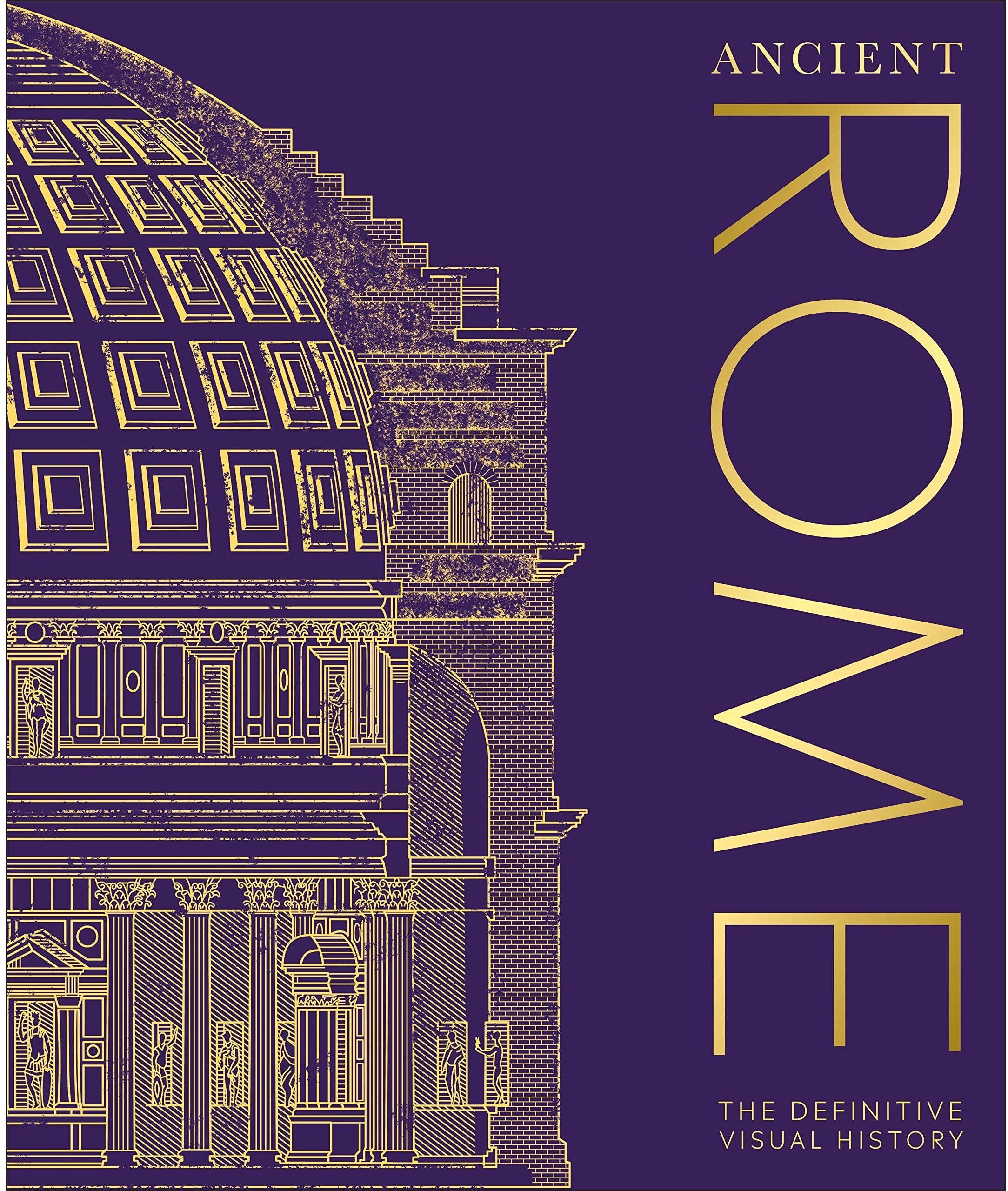
Ancient Rome: The Definitive Visual History (DK Classic History)Immerse yourself in the history of ancient Rome - from its origins as a small settlement on the Palatine Hill to its peak as an empire reigning over 90 million people, and its tumultuous decline. Covering more than 1,000 years of history, and an empire that stretched from Scotland to Syria, Ancient Rome reveals in vivid detail all of the key political, cultural, and military events that shaped the Roman Empire and explores what it was like to live in a society that laid the foundations for many aspects of the modern world. Sumptuous photography and engaging text cover every facet of life in ancient Rome, from art, entertainment, and fashion to engineering, medicine, and war, while detailed maps trace the rise of the mighty Roman Empire. Step back in time in the pages of this history book to discover:- Themed spreads explore developments in areas such as sculpture, religion, warfare, and engineering. - Includes tales of the most dramatic events and battles in Roman history, as well as profiles of influential historical and cultural figures. - An optional 80pp reference section includes sections on rulers, gods and goddesses, and key sites. Featuring Rome's greatest emperors, from Augustus to Constantine, as well as profiles of generals, historians, and influential women, Ancient Rome also delves into the fascinating stories of gladiators, bakers, and enslaved people. The most iconic buildings of Rome are brought to life with specially commissioned CGI recreations, while the stories of ordinary citizens, soldiers, and persecuted groups from across the empire are told with the help of illustrations, artefacts, and eyewitness accounts. Beautifully illustrated and unparalleled in scope, Ancient Rome is the perfect book for anyone who is interested in this defining period of world history.19,95 £*Shipping: 2,99 £Secure redirect to the provider
-
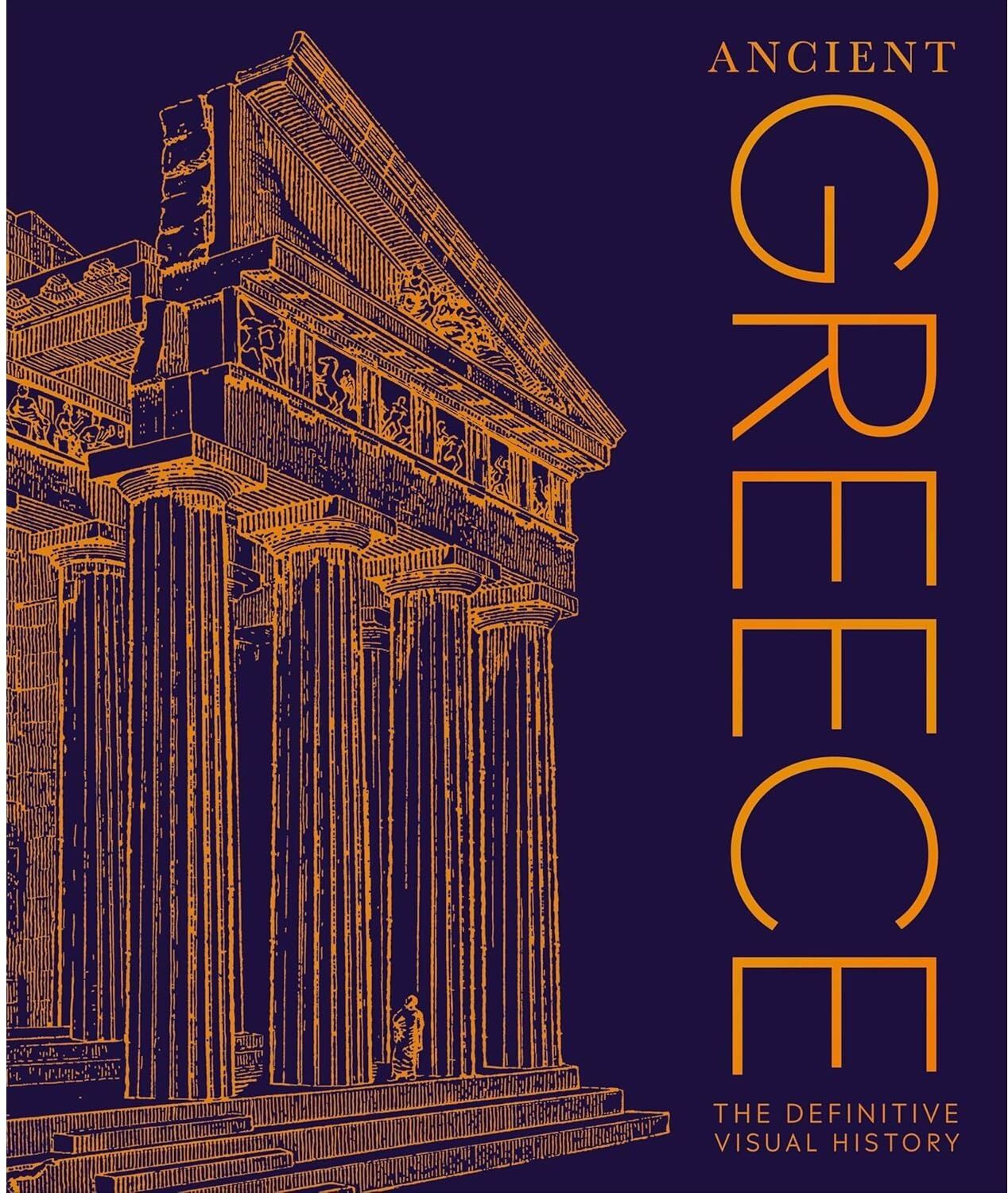
Ancient Greece: The Definitive Visual History (DK Classic History)Embark upon a fascinating journey through ancient Greece – from its rise and fall to its lasting legacy throughout the Western world. Spanning more than 3,000 years, Ancient Greece explores the tumultuous history of this glorious empire in vivid detail – from its Minoan and Mycenaean origins to the apogee of the warring city-states of Athens and Sparta, and from the death of its most charismatic leader, Alexander the Great, to its ultimate defeat by Rome. Sumptuous photography and authoritative, engaging text cover every facet of life in ancient Greece, from art, entertainment, and schools of thought to politics, medicine, and war, while the myths and religious beliefs of the ancient culture are explored and explained in depth. Greece’s military and political power shines through in fascinating maps of its legendary battles. Buried palaces and the Athenian Agora where Plato and Socrates discussed philosophy are brought back to life with stunning CGI artworks. And the stories of everyone from ordinary citizens to lawmakers and the first Olympic athletes are retold through eyewitness accounts and original artefacts.19,99 £*Shipping: 2,99 £Secure redirect to the provider
-
Zoblit Explore & Experience Dubai: A Family Perspective by Tim Blinks - Paperback Travel Guide - Honest Family Travel Insight for a Dubai HolidayExplore Dubai: A Family Perspective is a candid and practical travel account written for families planning a trip to Dubai. Author Tim Blinks draws on real family experience to guide readers through Dubai's attractions, culture, and everyday logistics. This book offers an accessible companion for parents weighing up where to take their children next. It's a useful addition to any travel bookshelf before a Gulf holiday. Written from a first-hand family viewpoint, this paperback shares practical insight into traveling to Dubai with children. Rather than simply listing hotels and landmarks, the narrative reflects on what actually works for families on the ground — from managing the heat and choosing activities suited to different age groups, to navigating the city's mix of ultra-modern development and traditional culture. The book is published by Zoblit and has the ISBN 9781911147411.2,99 £*Shipping: 2,99 £Secure redirect to the provider


-
Does discourse ethics have a teleological or deontological approach?
Discourse ethics is primarily associated with a deontological approach. It focuses on the principles of communication and interaction between individuals, emphasizing the importance of ethical norms and rules in guiding discourse. The goal is to ensure that communication is based on mutual respect, equality, and rationality, rather than aiming towards a specific outcome or goal. By prioritizing the ethical principles of communication, discourse ethics aims to create a fair and just dialogue among participants. **
-
What is the teleological argument for the existence of God?
The teleological argument, also known as the argument from design, posits that the complexity and order in the universe suggest the existence of a designer, which is often equated with God. This argument points to the intricate design and purposeful arrangement of elements in the natural world, such as the human eye or the fine-tuning of physical constants, as evidence of an intelligent creator. Proponents of the teleological argument argue that the presence of design implies a designer, leading to the conclusion that God must exist as the ultimate designer of the universe. **
-
Can someone explain Aristotle's teleological view of the world to me?
Aristotle's teleological view of the world is based on the idea that everything in the natural world has a purpose or goal. According to Aristotle, all things in nature strive towards their own perfection or fulfillment. This means that each object or organism has a specific function or purpose that it is naturally inclined to fulfill. For example, the purpose of an acorn is to grow into an oak tree. This teleological perspective suggests that there is an inherent order and purpose in the natural world, and that everything has a specific role to play in the overall functioning of the universe. **
-
Does the teleological cosmic Kalam argument rely on a fatal fallacy?
The teleological cosmic Kalam argument does not rely on a fatal fallacy. The argument, which posits that the universe has a cause and that cause must be God, is based on the idea that the universe had a beginning and therefore requires a cause. While there may be objections and counterarguments to the Kalam argument, it does not contain a fatal fallacy. It is a philosophical and theological argument that has been debated and discussed for centuries, and while it may not be universally accepted, it is a valid and coherent argument within the realm of philosophical and theological discourse. **


What are the arguments against the teleological argument for the existence of God?
The teleological argument, also known as the argument from design, posits that the complexity and order in the universe point to the existence of an intelligent designer, namely God. However, there are several counterarguments to this claim. One argument is that the apparent design in the universe can be explained by natural processes such as evolution, without the need for a supernatural designer. Additionally, the presence of imperfections and instances of apparent "bad design" in the natural world, such as the existence of diseases and natural disasters, is seen as evidence against the idea of a perfect and benevolent designer. Furthermore, the teleological argument is criticized for relying on analogical reasoning, which may not be a sound basis for establishing the existence of a divine creator. **
Can someone explain to me how John Hospers criticizes the teleological argument for the existence of God?
John Hospers criticizes the teleological argument by pointing out that it relies on the assumption that the complexity and order in the universe must have been designed by a higher intelligence, which he argues is a flawed premise. He suggests that just because something appears to be designed, it does not necessarily mean that it was created by a conscious being. Hospers also questions the logic of inferring the existence of a single, all-powerful God from the apparent design in the universe, as there could be multiple creators or other explanations for the order we observe. **
Top-Angebote
Products related to Teleological:
-
From the Archives: Black History and Culture Value PackThis brand-new series is rooted in a profound commitment to shedding light on some of the important -- and often lesser-known -- aspects of Black history. From the Archives features landmarks, events, people, and artistic endeavors that have played...26,99 $*Shipping: 0,00 $Secure redirect to the provider
-
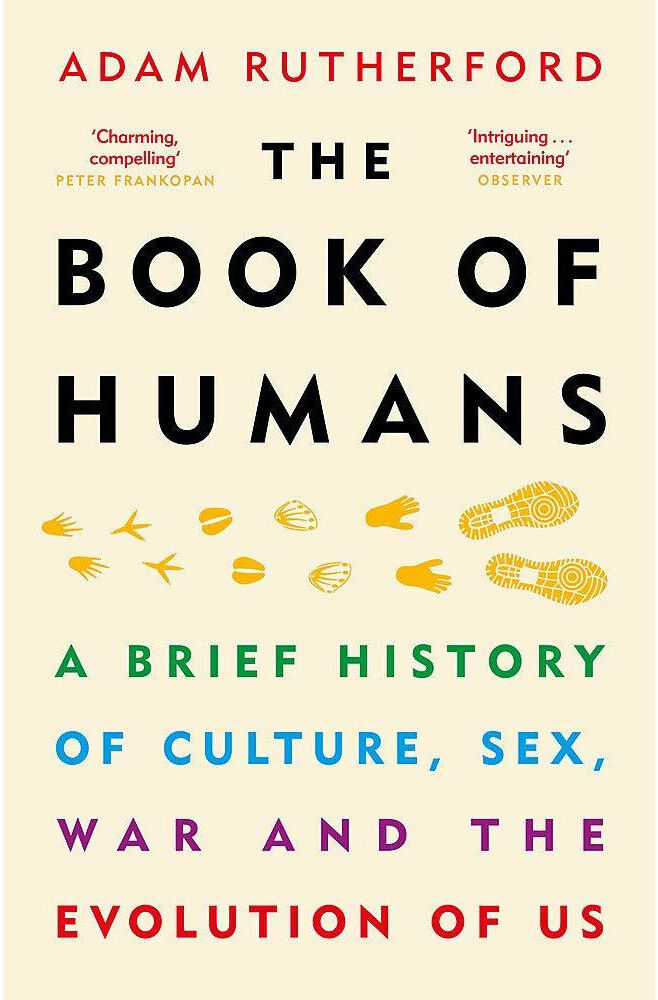
Orion The Book of Humans by Adam Rutherford – A Brief History of Culture, Sex, War & EvolutionWHAT MAKES US HUMAN? Waging war? Sex for pleasure? Creating art? Mastery of fire? In this thrilling tour of the animal kingdom, Adam Rutherford tells the story of how we became the unique creatures we are today. Illuminated by the latest scientific discoveries, THE BOOK OF HUMANS is a dazzling compendium of what unequivocally fixes us as animals, and reveals how we are extraordinary among them.4,98 £*Shipping: 1,99 £Secure redirect to the provider
-
Timeline Refresh 2026 - Clutch Box by Zygomatic, Card Game for 2-4 Players, Ages 10+, History and Culture TriviaTest your knowledge of history, culture, and everyday events with Timeline Refresh 2026, a compact card game for family and friends. Each round challenges players to place event cards in the correct chronological position, using the timeline already on the table as their guide. Choose an event card, estimate when it happened, and add it to the timeline. If your placement is correct, the card remains in play; if not, it is removed. The first player to position all their cards correctly wins. The game's accessible rules and varied subject matter make it an engaging way to challenge your memory and learn interesting facts while playing. The clutch box format is designed for convenient storage and portability.10,69 £*Shipping: 1,99 £Secure redirect to the provider
-
Ancient Rome: The Definitive Visual History (DK Classic History)Immerse yourself in the history of ancient Rome - from its origins as a small settlement on the Palatine Hill to its peak as an empire reigning over 90 million people, and its tumultuous decline. Covering more than 1,000 years of history, and an empire that stretched from Scotland to Syria, Ancient Rome reveals in vivid detail all of the key political, cultural, and military events that shaped the Roman Empire and explores what it was like to live in a society that laid the foundations for many aspects of the modern world. Sumptuous photography and engaging text cover every facet of life in ancient Rome, from art, entertainment, and fashion to engineering, medicine, and war, while detailed maps trace the rise of the mighty Roman Empire. Step back in time in the pages of this history book to discover:- Themed spreads explore developments in areas such as sculpture, religion, warfare, and engineering. - Includes tales of the most dramatic events and battles in Roman history, as well as profiles of influential historical and cultural figures. - An optional 80pp reference section includes sections on rulers, gods and goddesses, and key sites. Featuring Rome's greatest emperors, from Augustus to Constantine, as well as profiles of generals, historians, and influential women, Ancient Rome also delves into the fascinating stories of gladiators, bakers, and enslaved people. The most iconic buildings of Rome are brought to life with specially commissioned CGI recreations, while the stories of ordinary citizens, soldiers, and persecuted groups from across the empire are told with the help of illustrations, artefacts, and eyewitness accounts. Beautifully illustrated and unparalleled in scope, Ancient Rome is the perfect book for anyone who is interested in this defining period of world history.19,95 £*Shipping: 2,99 £Secure redirect to the provider
-
What is meant by deontological and teleological?
Deontological ethics is an ethical theory that focuses on the inherent rightness or wrongness of actions themselves, rather than the consequences of those actions. It emphasizes the importance of following moral rules and duties, regardless of the outcomes. On the other hand, teleological ethics, also known as consequentialism, is an ethical theory that evaluates the morality of actions based on their outcomes or consequences. It emphasizes the idea that the rightness or wrongness of an action is determined by the overall good or bad results it produces. In summary, deontological ethics focuses on the inherent nature of actions, while teleological ethics focuses on the outcomes of actions. **
-
Is teleological ethics the same as teleology?
Teleological ethics and teleology are related concepts, but they are not the same. Teleological ethics is a moral theory that emphasizes the consequences or outcomes of actions as the basis for determining their ethical value. Teleology, on the other hand, is a broader philosophical concept that refers to the study of purpose or goals in nature and human existence. While teleological ethics is a specific application of teleology to moral decision-making, teleology encompasses a wider range of philosophical inquiries into purpose and design in the natural world. **
-
Does discourse ethics have a teleological or deontological approach?
Discourse ethics is primarily associated with a deontological approach. It focuses on the principles of communication and interaction between individuals, emphasizing the importance of ethical norms and rules in guiding discourse. The goal is to ensure that communication is based on mutual respect, equality, and rationality, rather than aiming towards a specific outcome or goal. By prioritizing the ethical principles of communication, discourse ethics aims to create a fair and just dialogue among participants. **
-
What is the teleological argument for the existence of God?
The teleological argument, also known as the argument from design, posits that the complexity and order in the universe suggest the existence of a designer, which is often equated with God. This argument points to the intricate design and purposeful arrangement of elements in the natural world, such as the human eye or the fine-tuning of physical constants, as evidence of an intelligent creator. Proponents of the teleological argument argue that the presence of design implies a designer, leading to the conclusion that God must exist as the ultimate designer of the universe. **
Similar search terms for Teleological
-
Ancient Greece: The Definitive Visual History (DK Classic History)Embark upon a fascinating journey through ancient Greece – from its rise and fall to its lasting legacy throughout the Western world. Spanning more than 3,000 years, Ancient Greece explores the tumultuous history of this glorious empire in vivid detail – from its Minoan and Mycenaean origins to the apogee of the warring city-states of Athens and Sparta, and from the death of its most charismatic leader, Alexander the Great, to its ultimate defeat by Rome. Sumptuous photography and authoritative, engaging text cover every facet of life in ancient Greece, from art, entertainment, and schools of thought to politics, medicine, and war, while the myths and religious beliefs of the ancient culture are explored and explained in depth. Greece’s military and political power shines through in fascinating maps of its legendary battles. Buried palaces and the Athenian Agora where Plato and Socrates discussed philosophy are brought back to life with stunning CGI artworks. And the stories of everyone from ordinary citizens to lawmakers and the first Olympic athletes are retold through eyewitness accounts and original artefacts.19,99 £*Shipping: 2,99 £Secure redirect to the provider
-
Zoblit Explore & Experience Dubai: A Family Perspective by Tim Blinks - Paperback Travel Guide - Honest Family Travel Insight for a Dubai HolidayExplore Dubai: A Family Perspective is a candid and practical travel account written for families planning a trip to Dubai. Author Tim Blinks draws on real family experience to guide readers through Dubai's attractions, culture, and everyday logistics. This book offers an accessible companion for parents weighing up where to take their children next. It's a useful addition to any travel bookshelf before a Gulf holiday. Written from a first-hand family viewpoint, this paperback shares practical insight into traveling to Dubai with children. Rather than simply listing hotels and landmarks, the narrative reflects on what actually works for families on the ground — from managing the heat and choosing activities suited to different age groups, to navigating the city's mix of ultra-modern development and traditional culture. The book is published by Zoblit and has the ISBN 9781911147411.2,99 £*Shipping: 2,99 £Secure redirect to the provider
-
Orion Strangeworlds Travel Agency: Adventure in the Floating Mountains by L.D. Lapinski – World Book Day AdventureIt is the once-every-century Cloud-Wish Festival in the magical world of Strofadia, and Flick and Jonathan have travelled via suitcase to be a part of it.Strofadia is a land of flight and fantasy, where the people are born with wings and the great floating mountains are seen as the source of fantastic power. There are three floating mountains, with the largest being known as the home of the great Cloud Dragon - keeper of magic and granter of wishes. The people of Strofadia take their magical wishes (in the form of a physical bead-like object) to the dragon, in the hopes that the wish will be granted at the end of the festival when the dragon appears.Flick and Jonathan have fun exploring Strofadia, but when the moons rise, there is no sign of movement from the mountain.Will Flick and Jonathan be able to find out what happened to the dragon and save the festival and the land of Strofadia from disaster?A 2023 World Book Day Title0,99 £*Shipping: 1,99 £Secure redirect to the provider
-
"""Fromm Explore 7"" Barber Shear"""Explore endless possibilities with our mirror-finish silver barber shears that deliver a smooth cut every time. This shear is part of our Shear Artistry collection which is made up of premium designed professional salon shears for hair stylists with...25,99 $*Shipping: 0,00 $Secure redirect to the provider
-
Can someone explain Aristotle's teleological view of the world to me?
Aristotle's teleological view of the world is based on the idea that everything in the natural world has a purpose or goal. According to Aristotle, all things in nature strive towards their own perfection or fulfillment. This means that each object or organism has a specific function or purpose that it is naturally inclined to fulfill. For example, the purpose of an acorn is to grow into an oak tree. This teleological perspective suggests that there is an inherent order and purpose in the natural world, and that everything has a specific role to play in the overall functioning of the universe. **
-
Does the teleological cosmic Kalam argument rely on a fatal fallacy?
The teleological cosmic Kalam argument does not rely on a fatal fallacy. The argument, which posits that the universe has a cause and that cause must be God, is based on the idea that the universe had a beginning and therefore requires a cause. While there may be objections and counterarguments to the Kalam argument, it does not contain a fatal fallacy. It is a philosophical and theological argument that has been debated and discussed for centuries, and while it may not be universally accepted, it is a valid and coherent argument within the realm of philosophical and theological discourse. **
-
What are the arguments against the teleological argument for the existence of God?
The teleological argument, also known as the argument from design, posits that the complexity and order in the universe point to the existence of an intelligent designer, namely God. However, there are several counterarguments to this claim. One argument is that the apparent design in the universe can be explained by natural processes such as evolution, without the need for a supernatural designer. Additionally, the presence of imperfections and instances of apparent "bad design" in the natural world, such as the existence of diseases and natural disasters, is seen as evidence against the idea of a perfect and benevolent designer. Furthermore, the teleological argument is criticized for relying on analogical reasoning, which may not be a sound basis for establishing the existence of a divine creator. **
-
Can someone explain to me how John Hospers criticizes the teleological argument for the existence of God?
John Hospers criticizes the teleological argument by pointing out that it relies on the assumption that the complexity and order in the universe must have been designed by a higher intelligence, which he argues is a flawed premise. He suggests that just because something appears to be designed, it does not necessarily mean that it was created by a conscious being. Hospers also questions the logic of inferring the existence of a single, all-powerful God from the apparent design in the universe, as there could be multiple creators or other explanations for the order we observe. **
* All prices are inclusive of VAT and, if applicable, plus shipping costs. The offer information is based on the details provided by the respective shop and is updated through automated processes. Real-time updates do not occur, so deviations can occur in individual cases. ** Note: Parts of this content were created by AI.